Small business banking: How to choose the best business bank account for your needs

As a small business owner, you might be dealing with unpredictable cash flow, limited access to credit, and slow payment processing. And if you’re using a bank account that’s cumbersome to manage, you could also be facing frustrating friction points and hidden fees, which can make banking feel like a headache, rather than a helpful resource.
The best small business bank account options offer scalable solutions that support your business as it grows, as well as transparent fee structures, flexible cash flow support, and easier access to financing. However, with so many small business banking options to choose from — including legacy banks and fintech providers — it can be difficult to know which one to go with.
In this guide, we’ll explore what to look for when evaluating small business bank accounts. We’ll also share leading small business banking options and highlight key features and drawbacks to help you find a banking option that meets your needs.
What to look for when choosing small business banking
What is a good bank for a small business? Typically, small businesses prioritize financial stability and longevity, and they’ll need a bank that can support the business as it scales.
Here are a few key elements to look for when researching small business banking.
Transparent fee structure
If you’re like most small business owners, you’re working with razor-thin profit margins. That means hidden charges and unnecessary fees can be a financial burden. So, you’ll want to opt for small business banking that offers low or no monthly fees, clear transaction costs, free wire transfers, and competitive rates for international payments. Be sure to read the fine print to identify any possible hidden fees, especially around global payments and overdrafts.
FDIC insurance
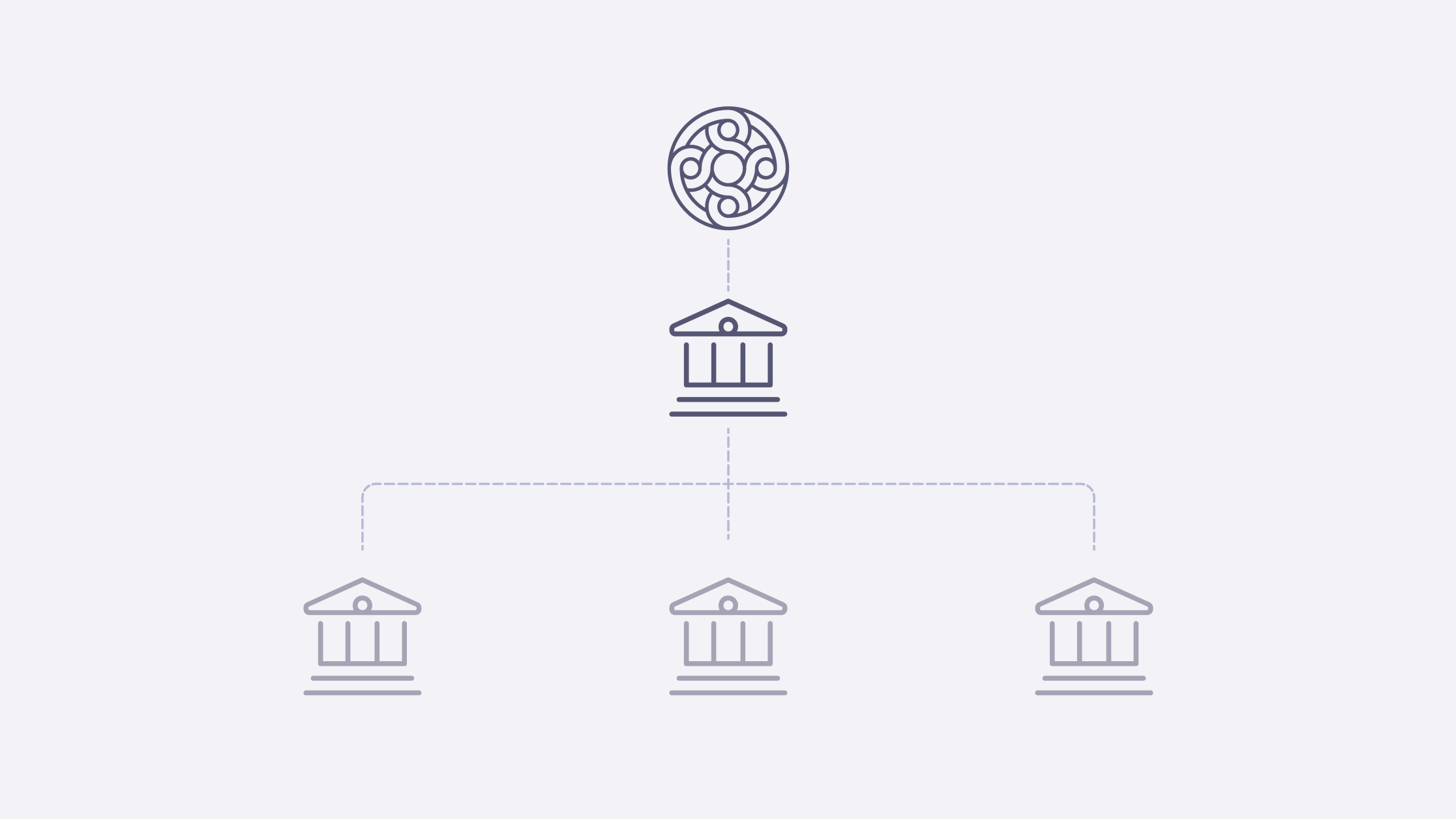
If you carry a large balance from time to time, having FDIC insurance beyond the standard $250K is essential. This typically gets facilitated through sweep networks across multiple partner banks. And it provides extra safety for your bank balance, in addition to the kind of peace of mind that lets you actually have a good night’s rest.
Consolidated accounts
Some small business banking partners only offer a checking or savings account, whereas others, like Mercury, offer both. Mercury also offers personal banking options, so you can keep your business and personal finances completely separate. Whichever banking option you go with, be sure to check whether you need to maintain a minimum balance to avoid fees.
Business credit cards
Having access to credit is essential when you’re trying to pay for surprise expenses while waiting on receivables — a common occurrence for many businesses. Choose a small business bank that offers a business credit card that doesn’t require a personal guarantee. Pay attention to rewards you can earn on spend, such as with cashback, which can further help you fund growth.
Access to working capital and financing
If your incoming revenue doesn’t align with outgoing expenses in your cash flow cycle, you’re going to have difficulty bridging short-term gaps and funding business growth. The best banks for small business offer revenue-based financing options, working capital loans with flat-fee pricing, lines of credit, and small business loans.
Interest rates (annual percentage yield)
When your bank balance is small, interest rates don’t matter as much. However, once your balance is on the rise, you’re going to want to choose small business banking that offers a high yield on idle cash. It’s a no-effort way to extend your runway.
Digital banking experience
Do you want to stand in line at the bank at 2 p.m. on a Tuesday or do you want to quickly manage your finances online through your smartphone? For speed and efficiency, prioritize small business banking options that offer intuitive online and mobile banking features, including invoicing, paying bills, managing employee expenses, and handling transfers. Be sure to look for automation options that’ll reduce manual work and consolidate workflows.
Integrations
Your tech stack — which includes your accounting software, payroll tools, and invoicing software — should connect to your small business bank accounts. To reduce manual data entry and the risk of errors, choose options that offer direct integrations and modern APIs.
The differences between fintechs and legacy banks for small businesses
When you’re looking for the best business bank account for your small business, be sure to compare fintechs and legacy banks. These are your two main banking options.
Legacy banks
Also known as traditional banks, these established institutions have a physical presence with branch networks, ATM cash access, and in-person services. They typically offer full-service financial offerings, from checking accounts to investment products. A legacy bank can be a good option if you’re looking for traditional lending options, like small business term loans and lines of credit (though they’ll likely have strict requirements around credit, revenue history, and collateral).
But legacy banks also might set transaction limits and charge monthly fees and other hidden fees. Many don’t offer modern digital experiences and have limited integration options.
Fintechs
Fintechs partner with FDIC-insured banks to provide digital-first business bank accounts that combine intuitive software with banking architecture. Small business owners can benefit from having this type of flexible, mobile, and digital experience, which typically includes a focused suite of banking services, including accounts, invoicing, payments, expense management, treasury, and more.
Fintechs have comparatively low fees (or no monthly fees at all), fewer transaction charges, and highly transparent fee models. They typically offer intuitive dashboards, direct integrations, workflow automations, and real-time visibility into your accounts, day or night.
Legacy banks vs. fintech solutions: What’s the right option for your business?
If you’re wondering how to choose a bank for your small business, there’s no right choice between legacy banks and fintechs. It all depends on your priorities, goals, and operating model.
If you value in-person service and want access to ATMs, then legacy banks might be right for your needs. If you’re like most small business owners and want a seamless digital banking experience that moves at your business’s accelerated pace, fintechs are the way to go.
Side-by-side comparison: The best business bank accounts for small businesses
So, what is the best bank for a small business account? The choices can be overwhelming, which is why we’ve short-listed the leading options for early- to growth-stage small business owners.
Provider | Who it's best for | Key features | Drawbacks |
|---|---|---|---|
Ambitious early-stage and growth-stage small business owners who want to move quickly without sacrificing financial control |
| No physical branches or cash deposit support (though you can link outside accounts as a workaround) | |
Small businesses and startups that want expense management solutions with deep spend visibility |
| Limited core banking functionality | |
High-growth startups and small businesses with VC-backing and a strong funding history |
| Eligibility requirements, which require strong funding and minimum cash balances, may not work for some small or bootstrapped businesses | |
Scaling businesses with finance teams |
| Targeted to CFOs and finance teams looking to automate finance workflows, which may be limiting for some small businesses | |
Eligible businesses already processing payments through Stripe that want to store, spend, convert, and send funds from the same platform |
| Treasury is currently in public preview in the US and UK and private preview in Australia, while individual features vary by country and eligibility. Qualifying USD balances may be eligible for FDIC pass-through insurance up to $250,000 per depositor, per insured institution, per ownership category. Stripe does not advertise an expanded sweep-network coverage model | |
Small businesses and startups seeking cash flow tools and high yield |
| APY caps and fees may apply | |
Small businesses that want to move to a powerful digital experience |
| May not have the advanced digital tools that growing small businesses need | |
Small businesses that prioritize cash flow visibility |
| International wire fees are higher than some other fintechs | |
Legacy banks (like Chase, Wells Fargo, and Bank of America) | Small businesses that want in-person banking experiences and access to ATMs |
| Typically have high fees and hidden fees, as well as balance minimums, with limited digital products, which could result in a slow and inefficient experience for fast-paced small businesses |
Finding the right business bank account for your small business
The best small business banking option for your operation will depend on where you are in your business journey — and where you want to go next.
If you’re looking for stability and simplicity, a low-fee fintech bank account or an account with a legacy bank may be all you need. If you’re looking to scale, want clear cash flow visibility, and need financing options along with automated bookkeeping, invoicing, and payment workflows, something more sophisticated, like Mercury, could be an ideal pick.
Although legacy banks provide a range of in-person financial services, their infrastructure can cause unnecessary friction, especially for early-stage small businesses that are scaling and need to seize the moment with speed.
Fintechs like Mercury, on the other hand, are built with integrated, digital-first tools, meaning your banking software can seamlessly connect to the rest of your business tools — no manual data entry required.
Why small businesses choose Mercury
Small business owners need a banking solution that meets them where they are and helps them scale and grow the business. Over 300,000 businesses choose Mercury because they can:
- Stretch money further with no monthly fees, cashback credit cards, and free USD wires.
- Save time with consolidated tools, like bill pay, invoicing, expenses, and accounting integrations, all in one place.
- Grow with ease, using working capital loans, venture debt financing, and access to treasury yield.
Learn more about Mercury, and see how easy it is to align banking with your small business needs.
Share article
Related reads
How to reconcile a business bank account step-by-step

How to reconcile business credit card transactions

The 5 best corporate cards for employee spending in 2026