Structuring your finances in preparation for a big fundraise

Raising a significant round should feel like a turning point. One day your bank balance might sit around $100K, and the next it jumps to $5M or more. It’s exciting, and it’s also a moment where a lot can go wrong if you’re not set up to manage that cash immediately and securely.
Most mistakes founders make right after a raise aren’t dramatic. They’re small operational gaps: idle cash, incorrect wire instructions, user roles that were never updated, or Mercury Treasury access that wasn’t opened early enough. With a little preparation, the first 48 hours can be calm, predictable, and productive rather than a scramble to fix avoidable issues.
What follows is a practical framework for structuring your finances before and after a fundraise, drawn from the patterns we see across thousands of startups on Mercury. The goal is to give you confidence, clarity, and a setup that makes your money work for you the moment it arrives.
Prepare your infrastructure before the wire arrives
The most important decisions are made before the funds arrive. Once the wire hits, everything moves quickly, and what slows teams down is almost never strategy. It’s missing documentation, out-of-date permissions, or a Treasury account that wasn’t opened in time.
A few pieces to finalize ahead of the close:
Download official wire details
Always pull the bank-provided PDF from your dashboard and share that file with investors. Avoid copying routing and account numbers from email chains or text messages. It only takes one small transcription error to cause frustrating (and sometimes expensive) delays.
Open and verify Treasury access early
Treasury onboarding can require additional review, especially for teams that haven’t used a Treasury product before. Identity checks, permissions, and access roles can all create bottlenecks if they’re handled after the wire arrives. Opening the account in advance ensures capital can be moved into yield-bearing funds immediately.
Refresh user roles and permissions
Raising money doesn’t only change your balance, it changes your risk posture. Before the raise:
- Remove former employees or contractors
- Set up two-factor authentication across all users
- Decide who can move money, who can approve transactions, and who only needs visibility
- Lock down Treasury access to founders or a trusted finance lead
Large balances amplify whatever cracks existed in your operational setup. This is the simplest place to tighten them.
Notify your relationship manager (or support team)
One of the most common avoidable issues is a founder receiving (or sending) a wire without telling their bank. A quick message helps the bank’s risk and operations teams watch for the transaction, clear it quickly, and intervene if anything looks off.
A small amount of setup ahead of time can prevent most of the friction once the round closes.
Know what actually happens in the first 24–48 hours
The moment the wire lands, the operations kick in fast.
Founders or finance leads typically:
- Verify incoming funds to confirm the amount matches subscription docs
- Check sender names and memos — this metadata becomes essential later when reconciling multiple investors
- Update the cap table in Carta, Pulley, etc., and notify legal
- Evaluate liquidity needs, including payroll, taxes, new hires, vendor payments, and upcoming commitments
- Transfer excess capital into Treasury to start earning yield immediately
Most delays in this window stem from two gaps:
- Treasury access wasn’t set up ahead of time
- Wire instructions weren’t shared correctly
When Treasury is opened in advance, founders can move capital within minutes of the wire settling. When it’s not, cash often sits idle for days, meaning missed yield on millions of dollars.
Avoid the most common post-raise mistakes
Across thousands of raises, these are the mistakes we see most often:
Idle cash in checking
When Treasury is opened after the raise, it can take time for permissions, reviews, and access settings to clear. During that delay, capital sits unused and loses value.
Overly broad permissions
Many founding teams run lean. Before the raise, almost everyone might have access to everything, because balances are small. After the raise, that same structure becomes a real risk. Fixing this takes minutes and prevents serious issues down the road.
Not planning for short-term liquidity needs
Founders often underestimate how much should stay in checking.
For example, here are some successful practices:
- Keep 1–3 months of runway in checking as a rule of thumb
- Mercury can compress that window to 15–30 days, with two free auto transfers per month allowing you to easily replenish your operating account from Treasury
- Leave a buffer for taxes, new hires, and vendor changes
Balance liquidity and yield with a clear strategy
Once a large round hits, balancing access to cash with return on cash becomes one of your most important financial decisions.
A simple approach works best:
Use checking for near-term needs
Payroll, taxes, vendor payments, and operational expenses all sit within this window. Automate transfers (of remaining cash) to Mercury Treasury.
Match liquidity to expected time-to-use
- <30 days → Checking
- 30 days → Treasury
Mercury Treasury by Mercury Advisory offers two lower-risk fund options:
- State Street Institutional U.S. Government Money Market Fund: Mercury Class (MRGXX) — same-day liquidity
Ideal for funds you may need to access quickly. - Morgan Stanley Ultra-Short Strategy Portfolio: Mercury Class (MCRYX) — higher yield
A good fit for capital you don’t expect to use immediately; it settles in ~2–3 days.
A blended approach is common. For example, more in the MS fund for return, and a slice in JPM for access.
Use automation to prevent avoidable errors
Automation is one of the easiest ways to reduce cognitive load after a raise. Once set up, rules run quietly in the background so founders avoid accidental overdrafts or missed payments.
Some examples might be:
- Automatically top up the payroll account each month
- Maintain a minimum balance threshold for operating spend
- Sweep excess funds into Treasury once checking exceeds a set level
- Fund vendor or tax accounts on a predictable schedule
For instance:
If payroll is $50K per month, you could set a rule to move $55K from Treasury into your payroll account on the 25th. It supports coverage without manual intervention, which is especially helpful for teams without a dedicated finance hire.
Build a multi-account structure that scales cleanly
Separate accounts create clarity, reduce reconciliation time, and limit risk.
Typical setups include:
- Operating account — daily company spend
- Payroll account — salaries and contractor payments
- Vendor account — recurring bills
- Tax account — quarterly allocations
- Treasury — yield-bearing reserve
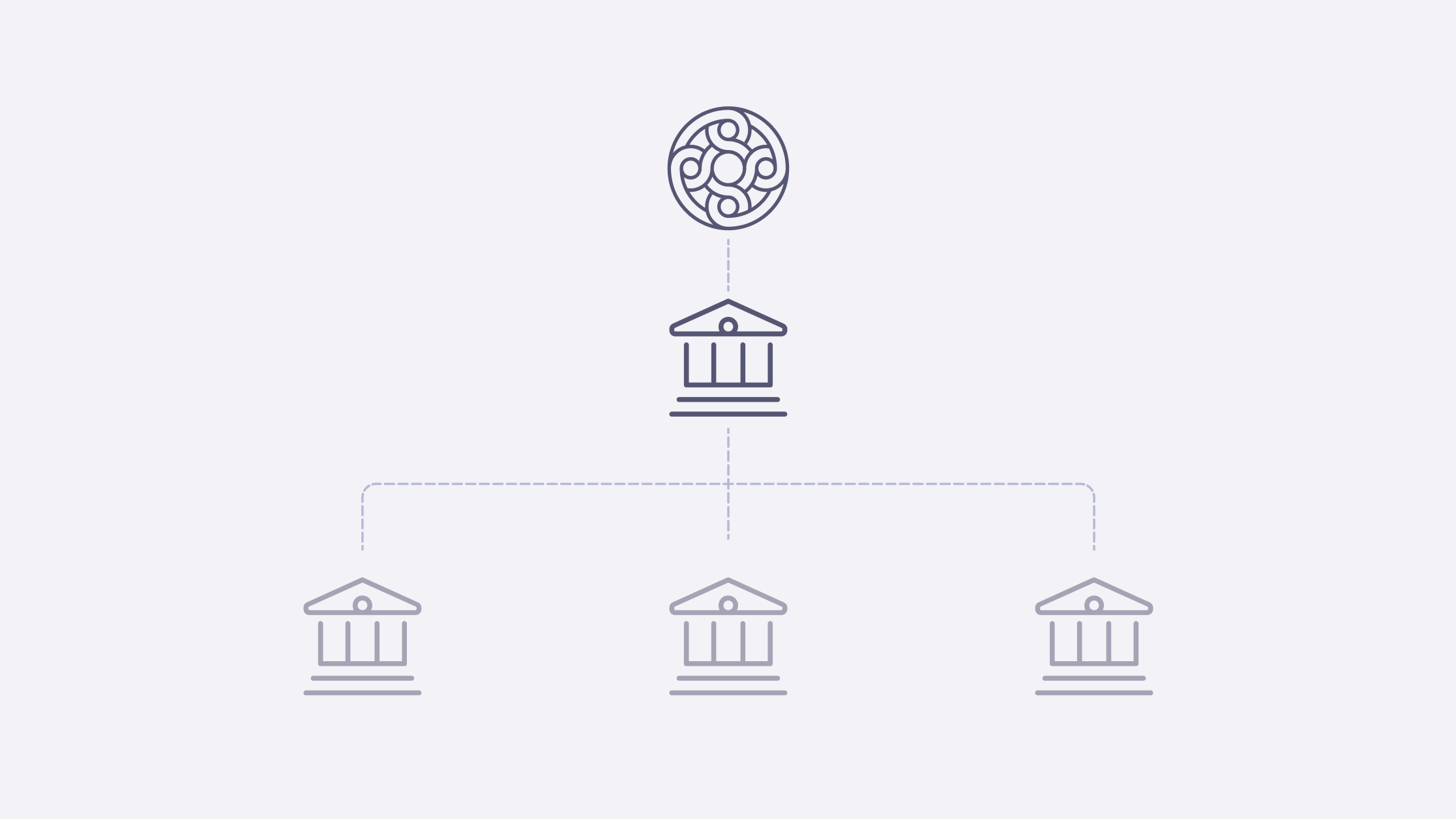
Treasury becomes the holding place for long-term capital, and each operational account draws down according to rules you define.
Because Mercury allows you to create and manage multiple accounts quickly, your structure can evolve as your business grows.
Work with experts early, not reactively
Founders often underestimate how much support is available. Your bank shouldn’t be the last to know you’re raising.
Relationship managers and support teams can help you:
- Validate wire instructions
- Prepare Treasury access
- Review permissions and security
- Understand liquidity options and timelines
- Troubleshoot issues before they affect a wire or transfer
A single early conversation can prevent the most common fundraising-day headaches. If you work with Mercury, our team is here to support you and to make sure you’re making the most of the tools and features that are already built in.
The core principle: Decide where the money will live before it arrives
Everything becomes easier when you plan ahead. Everything becomes harder when you scramble after the wire hits.
A fundraise marks the beginning of a new operational chapter. With the right structure in place, it becomes a moment of clarity, control, and momentum, not chaos.
Your money should start working for you the moment it lands. A few steps before the close make that possible.
Related reads

How to reconcile a business bank account step-by-step

How to reconcile business credit card transactions

The 5 best corporate cards for employee spending in 2026