Mercury applies for OCC national bank charter to become the bank for builders

Today, we announced we have submitted an application to the Office of the Comptroller of the Currency (OCC) for a national bank charter and applied for federal deposit insurance with the Federal Deposit Insurance Corporation (FDIC).
The applications mark a milestone in our evolution and a long-term investment in building a highly trusted financial foundation for ambitious companies and individuals. A charter is the next step in our pursuit of radically different banking — combining powerful software built for precision and speed with the strength and stability of a regulated institution.
Mercury at a glance (as of November 2025):
- 200,000+ customers
- $650M in annualized revenue
- 3 years of GAAP profitability
- 1 in 3 U.S. startups use Mercury.
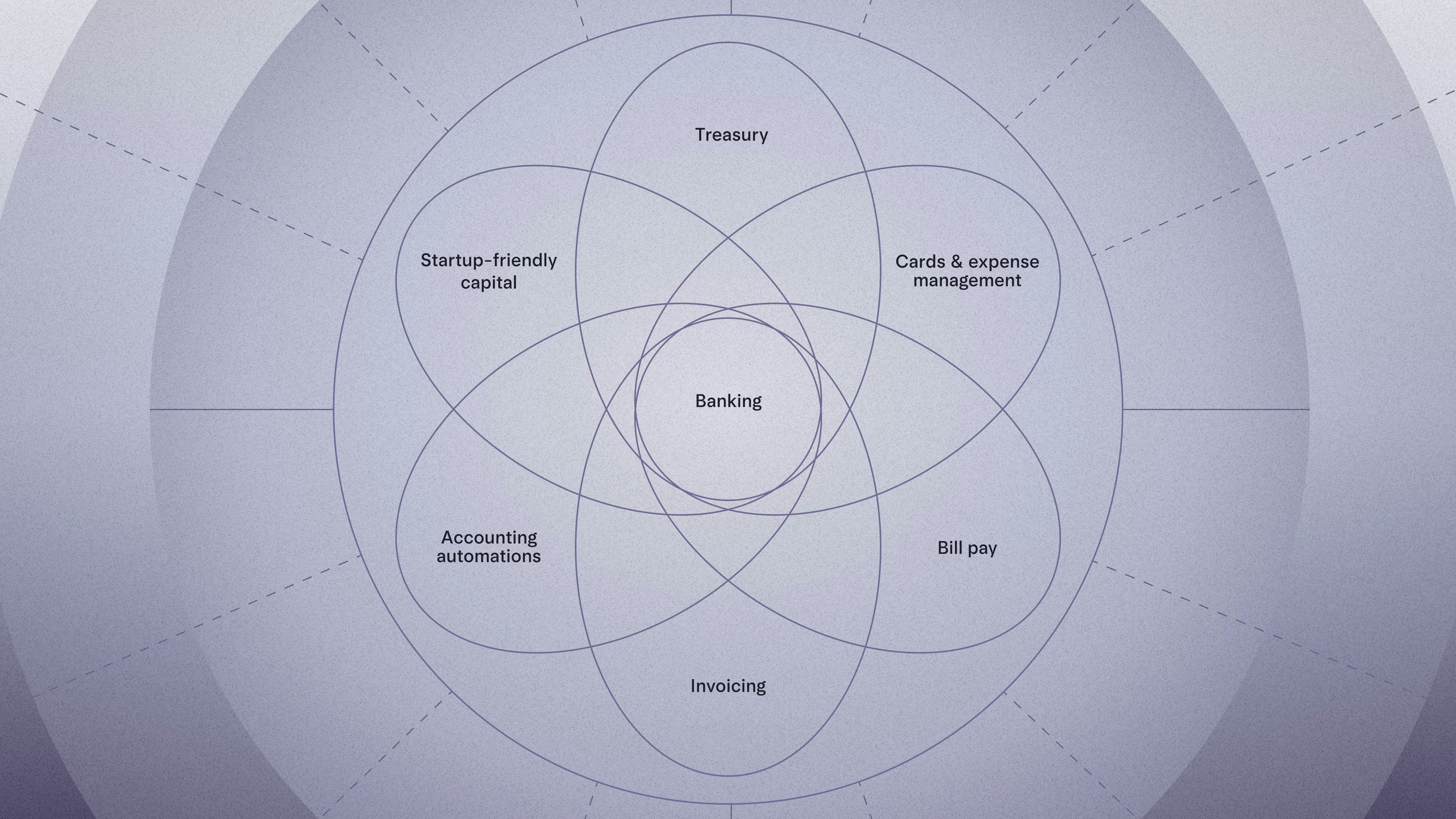
A charter will extend what makes us distinct: a single platform that helps you accomplish everything you want with your money. Operating under direct regulatory oversight, and innovating with the discipline required of a national bank, will strengthen the trust we’ve already built with customers.
“Becoming an FDIC-insured national bank aligns with our long-term vision and will allow Mercury to deliver a better customer experience at scale,” said Immad Akhund, co-founder and CEO of Mercury. “We’ve built Mercury for ambitious companies and individuals. Once we receive regulatory approval, a charter will let us deliver greater stability, long-term confidence, and trust, while continuing to redefine what radically different banking means.”
These filings are the start of our official engagement with regulators to open and operate a national bank. For customers, nothing changes today. We will continue working closely with our partner banks while building new products, improving the experience, and laying the groundwork for the future.
We also announced the appointment of Jon Auxier as Chief Banking Officer of Mercury and the proposed CEO and President of Mercury Bank, subject to approval of our applications. His appointment reflects our strategy to pair our software-first DNA with deep banking and regulatory expertise. Jon is a proven financial services leader with a record of driving significant transformation in high-growth and highly regulated environments. He served as CFO of SoFi Bank and Corporate Treasurer of SoFi Technologies, where he helped lead the successful application and implementation of its national bank charter. He has held senior roles at Green Dot, Goldman Sachs, and a global accounting firm.
“Few fintechs have reached the level of financial strength and operational discipline to pursue a charter at this scale,” said Auxier. “Mercury is profitable and has built a strong balance sheet with a scaled and successful business. Becoming a bank will build upon our strong foundation and let us innovate with more precision and accountability.”
Our story and what’s next
Mercury was founded in 2017 to deliver a fundamentally different way of banking. Frustrated by the complexity founders faced in accessing traditional banking, our co-founders Immad Akhund, Jason Zhang, and Max Tagher built Mercury on the belief that banking should do more than just safely hold money — it should actively help entrepreneurs accomplish what they want with it.
Since launching in 2019 with access to checking and savings accounts through FDIC-insured partner banks, we have expanded our product lineup to include investment accounts, a business charge card, international wires, and lending, through our bank partners, other regulated third parties, and our own licenses. From the beginning, we have applied software and design innovation to every part of that experience — from how you move and manage money to how you gain visibility and insight into your finances. In 2024, we extended that same design-led approach beyond core banking, introducing financial software that helps businesses pay bills, send invoices, automate accounting, and manage employee expenses. That same year, the company expanded its bank-sponsored offerings into consumer banking with the launch of Mercury Personal.
Today, we serve more than 200,000 ambitious companies across industries — from startups to venture capital firms, ecommerce companies, and a range of small businesses — who rely on Mercury so you can do everything you need to do with your money. With three years of GAAP profitability and one of the most successful models in fintech, a bank charter is the next step toward our journey to build a financial institution designed to last for generations.
“Fintechs have become vital to how small businesses and entrepreneurs access the financial system,” said Tim Mayopoulos, Mercury board member and former CEO of Fannie Mae. “Mercury’s decision to seek a national bank charter shows how innovation and oversight can reinforce one another — strengthening confidence in the system and expanding access to modern, technology-driven banking.”
As part of the process, Mercury Technologies, Inc. (MTI) will apply to the Board of Governors of the Federal Reserve System to become a financial holding company. Upon approval, proposed Mercury Bank, N.A. would be formed as a wholly owned subsidiary of MTI and headquartered in Utah, a hub for digital-forward banking and financial talent.
Related reads

Accelerating our ambitions