What embracing everyday magic can teach us about design
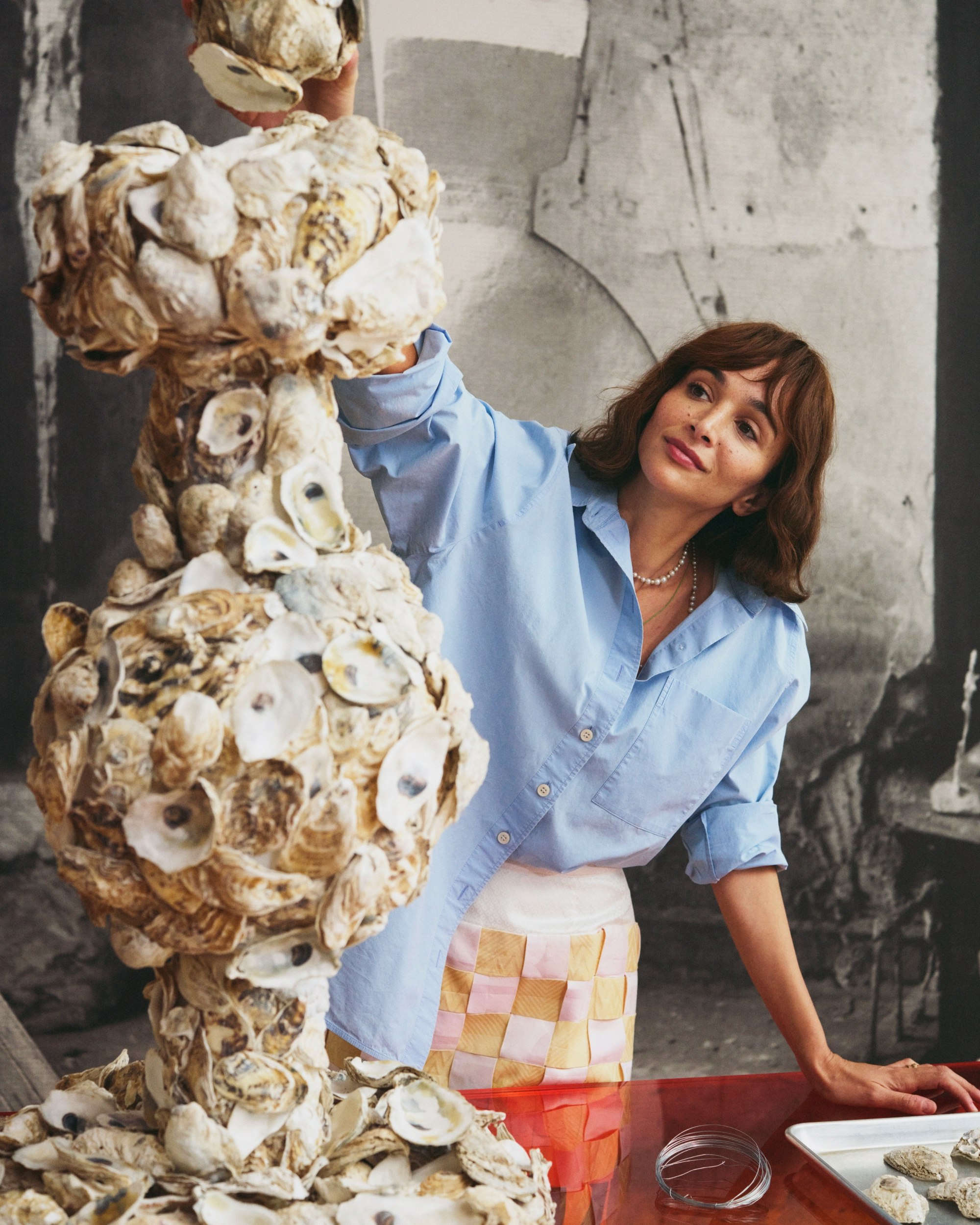
Some work rewards a closer look. It’s shaped by people who pay attention — to materials, to craft, to the fine details that accumulate over time. Laila Gohar’s practice begins there.
Laila is a founder, creative director, and internationally recognized artist who works primarily with food as her creative medium. Called the “Björk of food,” she has collaborated with companies and organizations like the Egyptian Museum, Sotheby’s, Valentino, Glenlivet, Hermès, and Comme des Garcons to create installations and tablescapes that engage audiences using food and visual storytelling. Her company, Gohar World, creates surrealist tableware and other objects that embrace tradition, time, craft, and humor.
Transforming the ordinary
There’s beauty in most things if you look hard enough. Even the chaos of a construction site — which you’ll see around most corners in New York — can be exciting.
I’ve always found great inspiration from simple things and humble ingredients. Potatoes, cabbage, butter, and beans are all mainstays of my work as an artist. On the surface, these might seem a little boring or bland, but cabbage, cooked down with garlic, bay leaf, stock, and parmesan, makes a soup that’s richer than the sum of its parts. Potatoes, well, I’m known to throw whole parties around them.
Humans have been elevating available or basic materials for centuries. In predynastic Egypt, the practice of faience transformed basic clay and a glaze containing copper figments into luminous green and turquoise figures, vases, and textiles. These objects were considered magical, “sun-filled,” and symbols of rebirth. More recently, the arte povera movement of Italy in the 1960s and 1970s explored art beyond oil paint on canvas, transforming twigs, soil, and rags into art that disrupted the values of the contemporary gallery system.
This ethos is reflected in Gohar World, the tableware brand I founded with my sister, Nadia. We work with family-run ateliers around the world to transform basic objects into things that feel fun, precious, and a little surreal — rubber dish gloves trimmed with Battenburg lace trim, mother of pearl spoons shaped like swans, and Croquembouche and ricotta candles. There always needs to be a little humor at the dinner table.
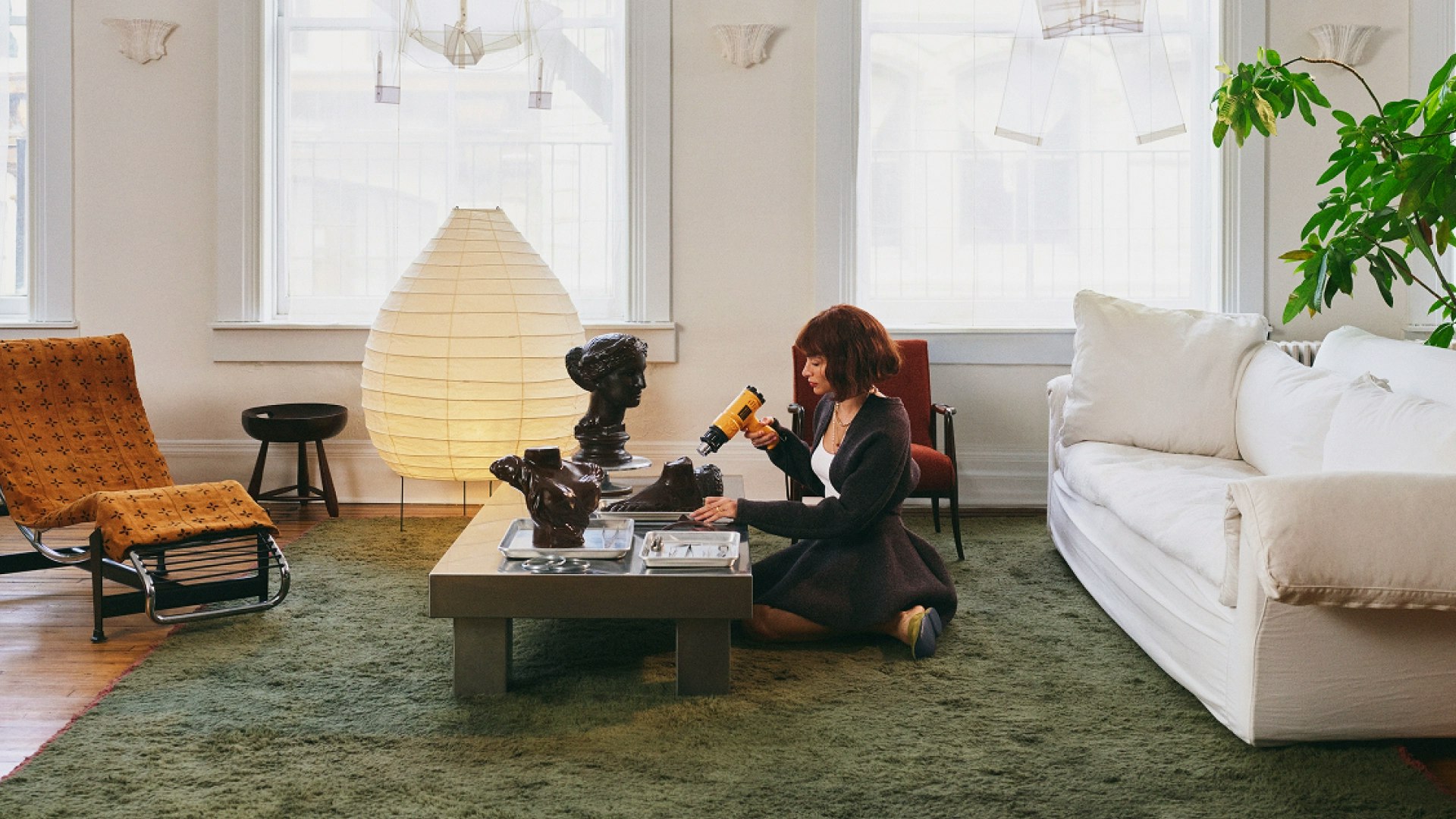
Blurring lines between work and life
With everyday life informing my work, there is inevitably spillover between the two.
As an example, travel is a huge part of my job. When my son Paz was just a few months old, lots of people told me that I would find it hard to take him along to places with me. So far, I’ve brought him almost everywhere, and he’s proved the perfect companion: sweet, adaptive, and so excited by the world. I love seeing him try new foods for the first time. Some moments are lots to juggle — and in those, I’m grateful to have help from family — but nothing beats the joy.
Blending work and life requires a degree of intentionality.
At the same time, blending work and life this way requires a degree of intentionality. Entrepreneurs and creatives are always at risk of turning their whole lives into work commitments. Boundaries are an essential part of the operating system.
I have a strict “no work on the weekends policy,” and when my team is in the studio during the week, we always stop for lunch. When you’re building something, it’s easy to confuse responsiveness with leadership. But as a founder, if you’re always “on,” you’re setting a precedent that encourages urgency over the space for creative exploration and time to mentally reset.
Setting the stage for play and delight
When you get this balance right, you leave more room for play. In Homo Ludens, John Huizinga defines play as freedom, removed from ordinary and real life both by locality and duration. He underscores that play is central to culture and civilization: “Civilization…does not come from play like a baby detaching itself from the womb: it arises in and as play, and never leaves it.” A lot of people lose or neglect this innate curiosity as they get older.
One of my favorite things is seeing how kids interact with my work, or the way grown adults sometimes respond to a certain presentation of food. There's a sense of delight, surprise, and maybe a little bit of confusion at a chair made entirely of bread, a Roman bust carved from chocolate, or a pavilion built of navat (a traditional Uzbek rock sugar). People wonder “Can I touch this? Can I eat this? How do I eat this?” In these moments, food acts as an icebreaker and a vehicle for exploration.
Play is a guiding philosophy in many different areas of my life. As I’m thinking about schooling for Paz, who is soon turning three, I am drawn to educational approaches that will protect this for him, like Montessori’s self-directed, hands-on learning, or Waldorf’s early emphasis on imagination.
It helps that I am very much a big kid at heart too. During the recent snowstorm in New York, Paz and I arrived at the park with a bottle of cherry syrup to pour on the fresh snow to make snow cones. All of the adults were like “that’s insane. Are you really going to do that?” But we did, and the kids loved it, and, in the end, the adults loved it too.
I came across a study that suggests we remember experiences by their peak moments and their endings, which makes even a single moment of delight disproportionately powerful. Not everything needs to go perfectly, or will go perfectly, but it’s important to leave room for fun.
Holding onto — and letting go of — control
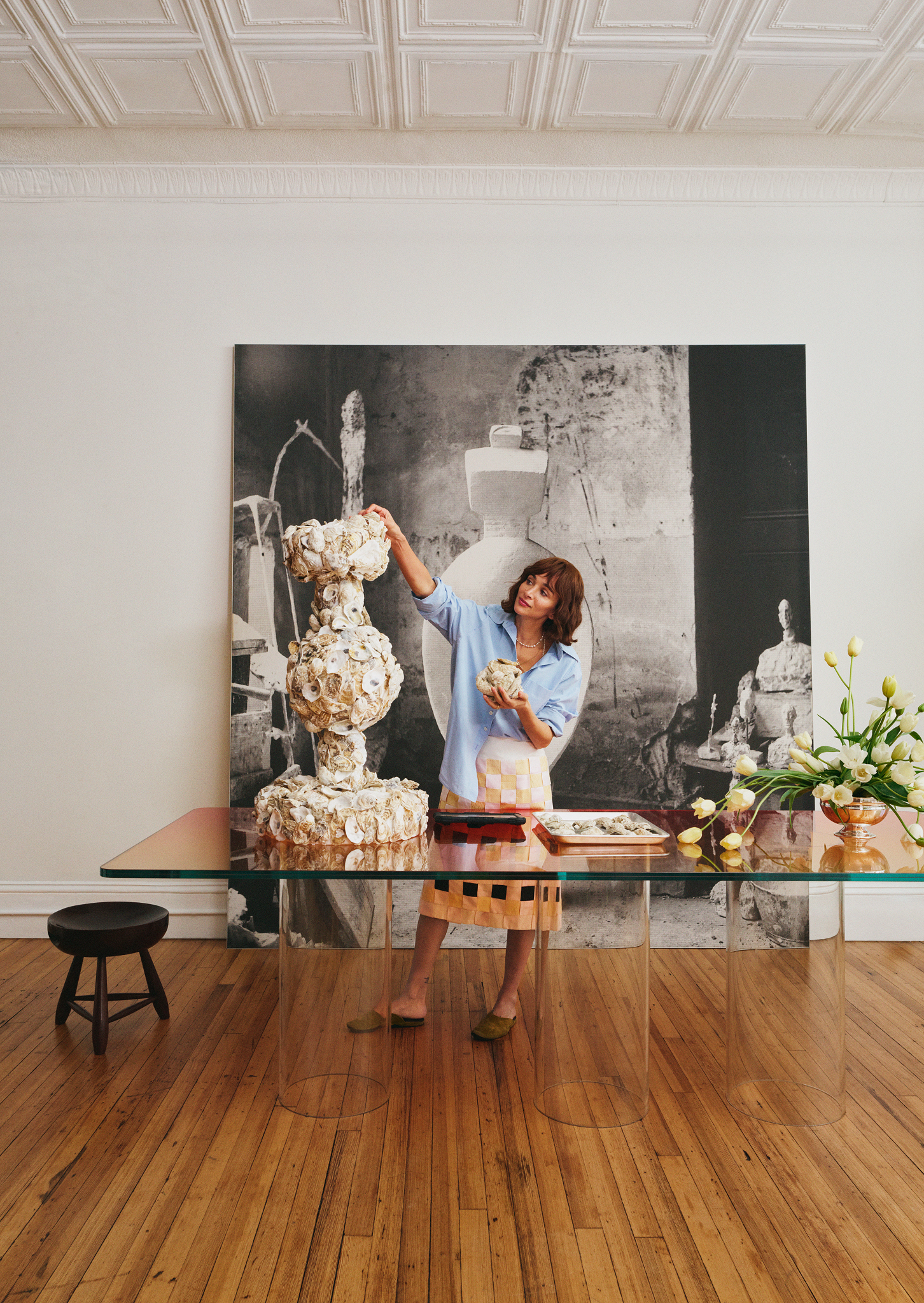
A lot of founders, entrepreneurs, and artists struggle with giving up control. You always want to ensure you’re meeting the highest possible standards. When I’m in the process of creating, I’m incredibly obsessive. There is so much research, planning, imagination, and meticulousness that goes into a project, and some of my pieces can take months or a year to become reality. But at some point, you let go.
There’s a tradition in art called Gesamtkunstwerk that integrates all elements of the experience towards the same end. I’m interested in something different: precision in the making, freedom in the experiencing. When my work is ready to be out in the world, it’s my job to take a step back and let things unfold naturally, instead of trying to conduct people through the experience.
I’m interested in something different: precision in the making, freedom in the experiencing.
Creators always hope that what we do will have an emotional impact on people, but, in the end, we have no control over it. I put a lot of myself into my work, but how people witness it and play with it is up to them. They’re bringing in their own lived experiences and memories that will shape how the work affects them. The work should be just a starting point. What matters is what it unlocks in someone else.
How to create your own everyday magic
Transforming the ordinary doesn’t require special tools or grand gestures. It starts with paying attention to what’s already around you, to what’s usually overlooked, to what feels too familiar to be interesting. If you can approach those things with curiosity and a willingness to let go of perfect outcomes, beauty has a way of revealing itself. What you create from that is only limited by your imagination.
Related reads