A guide to real-time payments and how businesses can instantly move their money

Head of Banking Products at Mercury
ACH and wires have long been the default ways to move money in the U.S. But in an era where every day, hour, or even minute can make a difference for a business, it’s important for payment technology to keep pace.
Enter real-time payments (RTP) — a new way to move money that’s as immediate as sending a text message. RTP has brought about a fundamental shift in how business banking works, and it’s finally becoming embedded in the U.S. at scale, paving the way for faster, smarter, and more flexible cash flow management.
The growth trajectory for real-time payments is significant, with $307 billion in payments in Q3 2025 and growing. As more financial institutions adopt RTP, instant transfers are expected to shift to the new standard for how money moves between businesses.
Let’s talk about why businesses and banks are embracing real-time payments.
What are real-time payments?
Real-time payments (RTP) are instant, bank-to-bank transfers that settle in seconds, any time of day, any day of the year. Unlike traditional payment rails that process payments in batches or close after business hours, RTP operates continuously, 24/7/365.
In short, RTP enables immediate money movement and confirmation. Seconds after a payment is sent, both the sender and receiver know it’s completed. That means no waiting for funds to “clear” and no uncertainty about timing.
Here’s how RTP stacks up against other popular payment rails:
Payment type | Settlement time & availability | Cost to customer | Typical use cases |
|---|---|---|---|
Outbound ACH |
|
| Payroll, vendor payments |
Outbound domestic wire transfer |
|
| Large or urgent payments |
Outbound real-time payment (RTP) |
| All of the above, plus time-sensitive or after-hours payments |
How do real-time payments process?
At a glance, real-time payments may seem like magic. Money sent, money received, all within seconds. But behind that simplicity is a secure, high-speed system built on modern banking infrastructure.
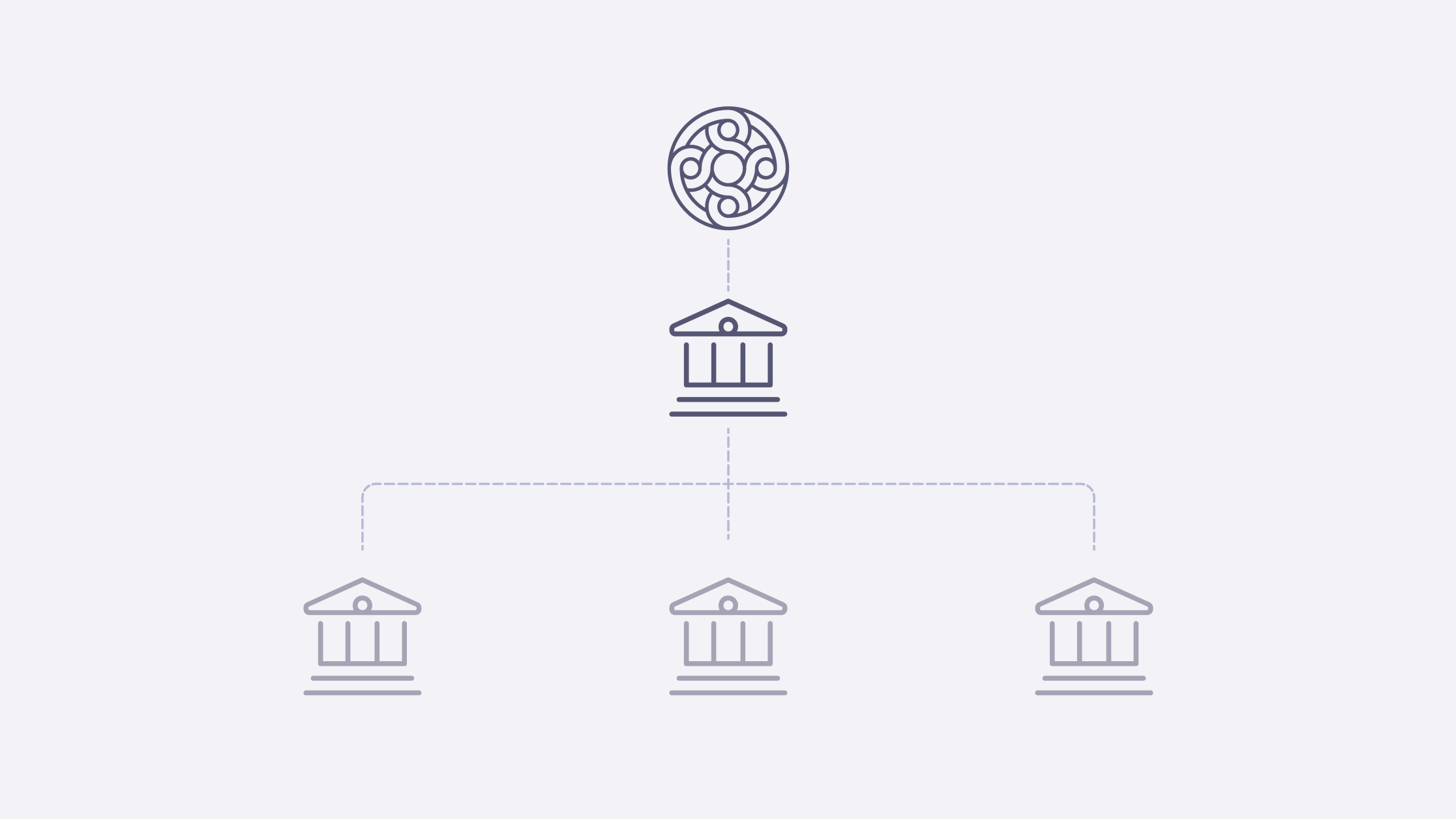
In the U.S., real-time payments are processed through one of two networks: the RTP® Network, launched by The Clearing House in 2017, and the FedNow Service, launched by the Federal Reserve in 2023. Together, these networks enable participating banks to transfer money instantly — and around the clock — while maintaining high security and compliance standards.
Here’s how the money moves:
1. Initiation
The process starts when a business or individual initiates a payment from their bank account, either through an online dashboard, mobile app, or integrated platform. Unlike ACH, which relies on batch processing, real-time payments are processed in real-time.
2. Processing
Once approved, the bank routes the transaction through the RTP® or FedNow. These systems process payments one at a time, continuously, with no business-hour windows or end-of-day settlements. This is what enables true “real-time” movement.
3. Confirmation
As soon as the transaction settles, both parties receive instant confirmation. For businesses, this means no waiting for funds to clear and full visibility into where the money stands.
Finally, funds move between the two banks and are immediately available for use. The payment is complete and final.
Real‑time payments are designed to be final and irrevocable once submitted. In general, since settlement happens immediately, they cannot be canceled or reversed by the sender. And only financial institutions and platforms that support real-time payment networks can move money in real-time.
Why RTP matters for startups
For early-stage and growing startups, liquidity and timing can define momentum. Waiting times of even a day or two can tie up working capital, stall operations, or erode customer trust. Real-time payments address these pain points directly, giving founders and finance teams a level of flexibility that traditional rails can’t match.
Improves cash flow agility
RTP enables just-in-time money movement. Instead of sending supplier or payroll funds days early to ensure they clear on time, startups can hold cash longer and deploy it precisely when it’s needed, improving working capital efficiency and cash-on-hand visibility.
Supports time-sensitive operations
Many startup workflows don’t align neatly with banking hours. Whether it’s processing Friday payroll, funding ad spend over the weekend, or finalizing an urgent vendor payment, RTP keeps operations moving without waiting for the next business day.
Increases payment certainty and trust
With instant confirmation for both sender and receiver, RTP eliminates the ambiguity that often follows other types of transfers. This transparency reduces administrative overhead, reconciliation delays, and the “where’s my money?” follow-ups that drain your team.
Enables around-the-clock business continuity
Real-time payments settle 24/7/365 — nights, weekends, and holidays included. That reliability allows teams to respond to customer needs or time-sensitive opportunities immediately, regardless of the calendar.
Examples and use cases for RTP
Here are six quick, real-world moments where RTP turns a potential headache into a smooth, instant win.
The Friday payroll crunch
It’s late Friday night and your product team just wrapped a release sprint. Payroll is due, but the business day is over. With RTP, you can initiate payment at 11:59 pm. and see it land in employee accounts before midnight. No missed pay cycles and no weekend panic.
The on-demand freelancer payout
A creative agency wraps a campaign with a freelance designer who’s expecting a payout before delivering the final files. Instead of trying to meet the same-day cutoff times for ACH or domestic wires, the agency sends an RTP without second guessing. The freelancer receives the funds instantly, and the agency can meet its campaign deadlines.
The weekend inventory order
An ecommerce founder spots an unexpected surge in orders over the weekend. Their supplier requires payment upfront before shipping, but an ACH or domestic won’t process until banking hours on Monday. With RTP, funds are sent on Sunday evening, the supplier receives them instantly, and products ship first thing Monday, keeping sales momentum intact.
Quickly topping off accounts
For a SaaS founder who needs to move quickly on an infrastructure investment, a RTP transfer between accounts lets you stay liquid and ready to pounce on opportunities.
The overdue invoice payment
During the rush of their busy season, AP accidentally missed an incoming invoice. Now there’s a reminder warning of a 5% late fee if it’s not paid today, which could result in thousands of dollars lost. With RTP, the finance lead sends payment instantly, the vendor confirms receipt within seconds, and the late fee disappears. A small save, but one that keeps relationships (and revenue) protected.
The instant refund
A consulting firm discovers an overpayment from a client late one evening. Instead of waiting days for a refund to post, the firm initiates a RTP, and the client receives funds within seconds. It’s a small moment that reinforces professionalism and trust.
These are just a few scenarios where RTP can save the day by eliminating friction. Money moves when the business moves, not the other way around.
How Mercury is approaching RTP
Real-time payments represent a shift toward a faster, more flexible financial infrastructure. By eliminating the lag between decision and action, RTP gives businesses greater control over cash flow, certainty in their operations, and the freedom to move at their own pace.
Mercury offers the ability to send and receive real-time payments for Mercury Business and Personal accounts on our partner bank, Column N.A. That means being able to send instant payments to banks that support RTP and receive instant payouts from payment processors like Stripe, Amazon, and Square.
Learn more about Mercury payments. To stay up to date on Mercury’s RTP expansion and other upcoming product features, follow Mercury on your preferred social platforms or visit our blog for updates.
About the author
Head of Banking Products at Mercury
Share article
Related reads

How to reconcile a business bank account step-by-step

How to reconcile business credit card transactions

The 5 best corporate cards for employee spending in 2026