How to simplify your personal finances with automation and tools
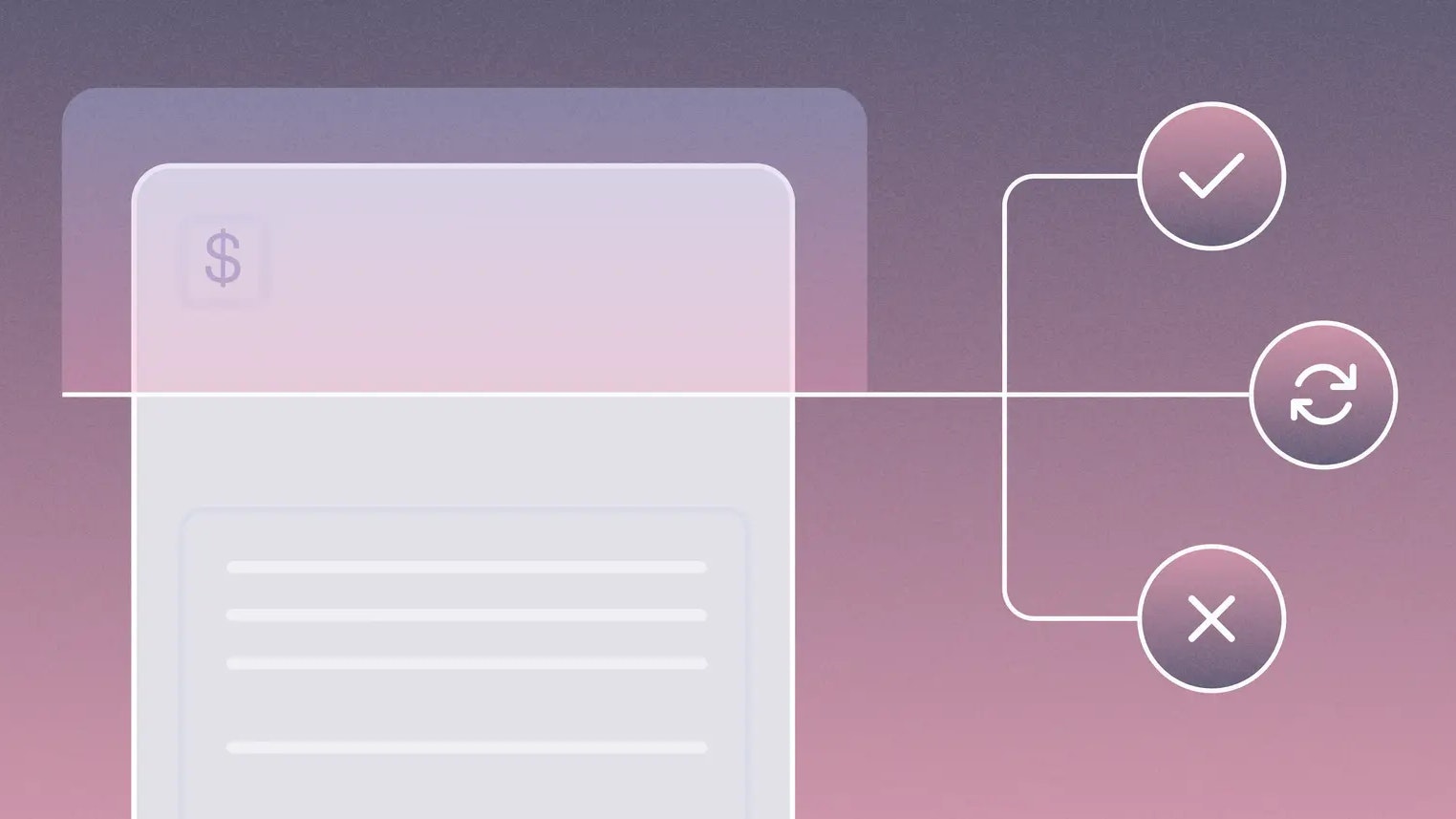
Managing money shouldn’t feel like a second job. But, for founders, freelancers, and self-employed professionals with irregular income, it often does. Between tracking inflows from multiple sources, remembering to move money for taxes, staying on top of bills, and deciding what’s safe to spend, it’s easy for personal finances to become reactive and stressful — and nobody wants more financial stress.
Nearly a third of Americans already think their personal finances will worsen in 2026, with inflation, debt, and income fluctuation all making an appearance on their list of concerns.
Effective systems and healthy money habits can reduce strain and worry, and setting up personal finance automation can be a helpful step toward restoring calm and control. With the right setup, you can create systems that handle the basics in the background, giving you clarity without constant manual effort. Instead of checking balances every day or making decisions on the fly, your finances will begin to follow an automatic structure you can trust.
This guide walks through a practical framework for automating your personal finances using modern tools, including options for banking, budgeting, and saving. The goal is to automate the right things, so you can spend less time managing money and more time on the things that most matter to you.
Start with a simple financial flowchart
Before adding new tools, take a step back. The strongest personal finance automations are designed based on clarity about how money flows through your life. A simple flowchart can reveal where structure and automation will make the biggest impact.
Start by outlining four core elements:
- Inflows: where money comes from, including primary income, side income, reimbursements, irregular payouts
- Fixed expenses: rent or mortgage, subscriptions, insurance, utilities, recurring bills
- Savings and obligations: emergency funds, short-term savings, long-term goals, taxes
- Flexible spending: everything else that changes month to month
Once you’ve clearly filled out these categories with all the relevant elements from your personal financial life, identify where manual steps exist today. Maybe you manually move money to savings when you notice your balance feels high. Perhaps you calculate taxes at the end of the quarter and hope you’ve set enough aside. These are exactly the moments where automation adds the most value.
Banking automation essentials
Every automated system needs a strong foundation, and in personal finance, that foundation is your bank account. If your banking setup is fragmented or inflexible, everything built on top of it becomes harder to manage. The right structure makes automation feel seamless, instead of haphazardly stitched together.
Scheduled transfers that reflect real life
One of the most effective ways to automate personal finances is through scheduled transfers. For example, automatically moving a percentage of income into separate buckets for taxes, savings, or upcoming expenses reduces the temptation to overspend and removes guesswork.
This works especially well for people with variable income. Instead of setting a fixed dollar amount, you can design rules that move money based on deposits or account balances.
Sub-accounts for clarity and control
Sub-accounts make automation easier by giving each dollar a job. Rather than mentally tracking everything, you can separate money for spending, saving, and obligations at the account level.
Mercury offers personal banking that supports multiple accounts under one login. This allows you to organize personal finances in a modular way, without opening accounts across different institutions. For people who want a premium, simplified experience, this structure reduces clutter while preserving flexibility.
Real-time visibility and smart notifications
Automation doesn’t mean ignoring your finances. In fact, the best setups increase visibility. Real-time notifications for large transactions, low balances, or upcoming transfers help you stay informed, without constant checking.
Mercury’s real-time transaction visibility and spend tracking make it easier to trust automated systems because you can see what’s happening as it happens.
Card-level permissions and spend tracking
Card-level permissions and categorized spend tracking help reinforce automated budgets. Setting clear boundaries on where and how your money is spent means you’ll reduce the need for manual reviews later and keep your system clean.
Budgeting and cash flow tools that think ahead
Once you’ve established a solid banking foundation, adding budgeting tools to your personal finance tech stack can help you interpret and plan around the data flowing through your accounts.
Popular budgeting tools — like Copilot, Monarch, or YNAB — focus on proactive planning, rather than simple expense tracking. These tools work best when they are connected directly to your bank account, so transactions get categorized automatically.
The key benefit of modern budgeting tools is that they encourage rule-based decision-making. Instead of having to ask yourself if you can afford a purchase, you’ll define guidelines in advance and let the system reflect those priorities back to you.
When your Mercury account is linked to budgeting and cash-flow tools, transactions can be categorized seamlessly, which keeps your budgeting data accurate without extra effort. In integrated setups like this, automated personal finance tools start to feel truly supportive, rather than restrictive.
Automation-friendly saving and investing
Even disciplined people tend to stall when it comes to saving and investing. Good intentions fade when decisions feel emotional or timing feels uncertain. Thoughtful automation removes that friction, turning progress into something steady, rather than sporadic.
Set-and-forget savings transfers
Small, frequent transfers into savings accounts are easier to maintain than large, irregular ones. Automating these money movements ensures progress, even in lower-income months. Many people use this approach to fund emergency funds, short-term goals, or annual expenses, like travel or insurance.
Goal-based investing with minimal oversight
Robo-advisors, like Wealthfront or Betterment, offer goal-based investing that aligns well with automation. Once your targets are defined, contributions happen automatically, and rebalancing happens in the background.
For people who prefer a DIY approach, using spreadsheets or Notion dashboards to track your money can still work, if paired with automated transfers. The key is separating the decision to invest from the act of investing.
Digital receipts, tags, and clean recordkeeping
Automation helps you move money, but more importantly, it also supports you in keeping financial records organized, so future tasks are easier.
Auto-tagging transactions, attaching notes, and storing receipts digitally saves time during tax season and reduces the mental load of remembering what each transaction was for.
Some tools support email-to-receipt workflows, where receipts sent to a specific address are automatically matched to transactions. Even without dedicated tools, taking time to consistently tag and categorize your transactions will go far to help you stay organized and on track.
Mercury allows users to add notes and categorize expenses directly within transactions, which helps maintain clean records, without extra systems. This is especially useful for founders who keep personal and business-related spending with the same provider and want clarity, without overengineering their systems.
Examples of personal finance automation in practice
Every financial life is different. The structure of your personal finance automation system should reflect how your income flows, what you’re prioritizing, and how hands-on you want to be.
Here are three practical examples of how automation can be set up to support different goals and lifestyles.
The founder with variable income
A founder with variable income could set up automated transfers that move a percentage of every deposit into separate accounts for taxes and savings. Spending money lives in a main account with clear boundaries. Budgeting tools help smooth month-to-month fluctuations, without constant recalculation.
The solo worker optimizing for taxes
For a solo worker who’s optimizing for taxes, automation might focus on immediately setting aside tax money and cleanly tracking deductible expenses. Categorization and tagging reduce end-of-year stress, and automated savings prevent underpayment tax surprises.
The couple with shared expenses and joint goals
For a couple with shared expenses and financial goals, setting up joint accounts can be a place to handle shared bills, while maintaining individual accounts preserves individual autonomy. Automated transfers fund shared goals, and budgeting tools provide visibility, without micromanagement.
Notice that across all three examples, the common thread is an intentional setup. The best personal finance automation software adapts to your real life, rather than forcing behavior changes.
Bringing it all together with automation that actually works
Devoting a few intentional hours to setup can save dozens of hours over the course of a year. When your systems handle the predictable parts of your financial life, you’ll make fewer reactive decisions and spend less energy second-guessing yourself.
How do you automate personal finances without losing control? The answer is choosing tools that work together and designing systems you trust. Automation replaces uncertainty with structure, giving you a foundation you can rely on, even when your income or expenses fluctuate.
Mercury was built with these workflows in mind. Modular accounts, real-time visibility, and clean records make it easier to support a modern, automated finance stack, without sacrificing clarity or flexibility.
If you’re exploring the best tools for automating personal finance, start with a strong banking foundation and build outward from there. When your systems are doing the heavy lifting, you’re free to focus on the decisions that actually move your life forward.
Related reads

How to automate your paycheck across bills, savings, and investments

How to organize personal finances without spreadsheets
What to do with idle cash after a bonus, equity vest, or exit