Rafael Prieto’s Mexico City finds poetry in contradictions
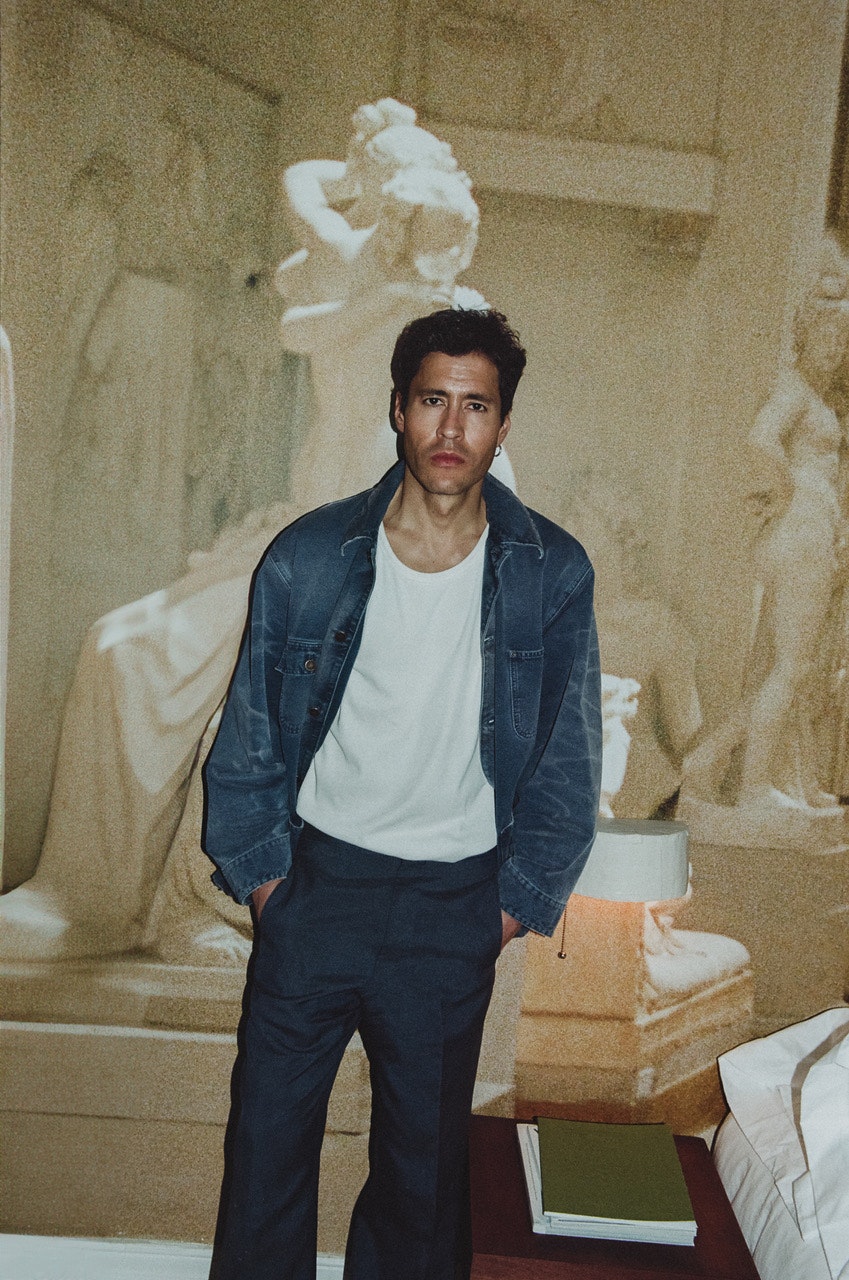
Rafael is an artist, creative director, and founder.
Mexico’s beautifully chaotic capital boasts a deep and storied history, a nearly transcendental food scene, and a creative culture you can’t find anywhere else. The city doesn’t try to be anything other than itself — it has its own heartbeat and a gift for putting you at ease in the midst of all the noise and motion.
For this guide, we asked Rafael Prieto — an artist, creative director, founder of Savvy Studio and Casa Bosques Chocolate, and owner of Librería Casa Bosques and Casa Bosques Pensión — about what makes him love the city. From world-class museums to courtyard oases, these are the spots Rafael says you'd be remiss to miss.
My connection to Mexico City is grounded in its singular, almost paradoxical energy — an organized chaos that feels impossibly alive, yet somehow always offers pockets of calm: quiet neighborhoods, sun-dappled streets, and parks where the city’s pulse recedes just enough to breathe.
This place doesn’t strive to be a copy of someplace else. Its character is forged by history and by the countless lives that have threaded through it — a city with its own grammar and rhythm. There is poetry in its contradictions: pleasure and reflection, impulse and intent, tradition and reinvention. You can carve out your own corner of it and make it your own. Perhaps the most enduring gift that Mexico City offers us is a profound sense of freedom: the feeling that, within its vastness and its delightful unpredictability, you are free to be exactly who you are.
Biblioteca Vasconcelos
Eje 1 Nte. S/N, Buenavista
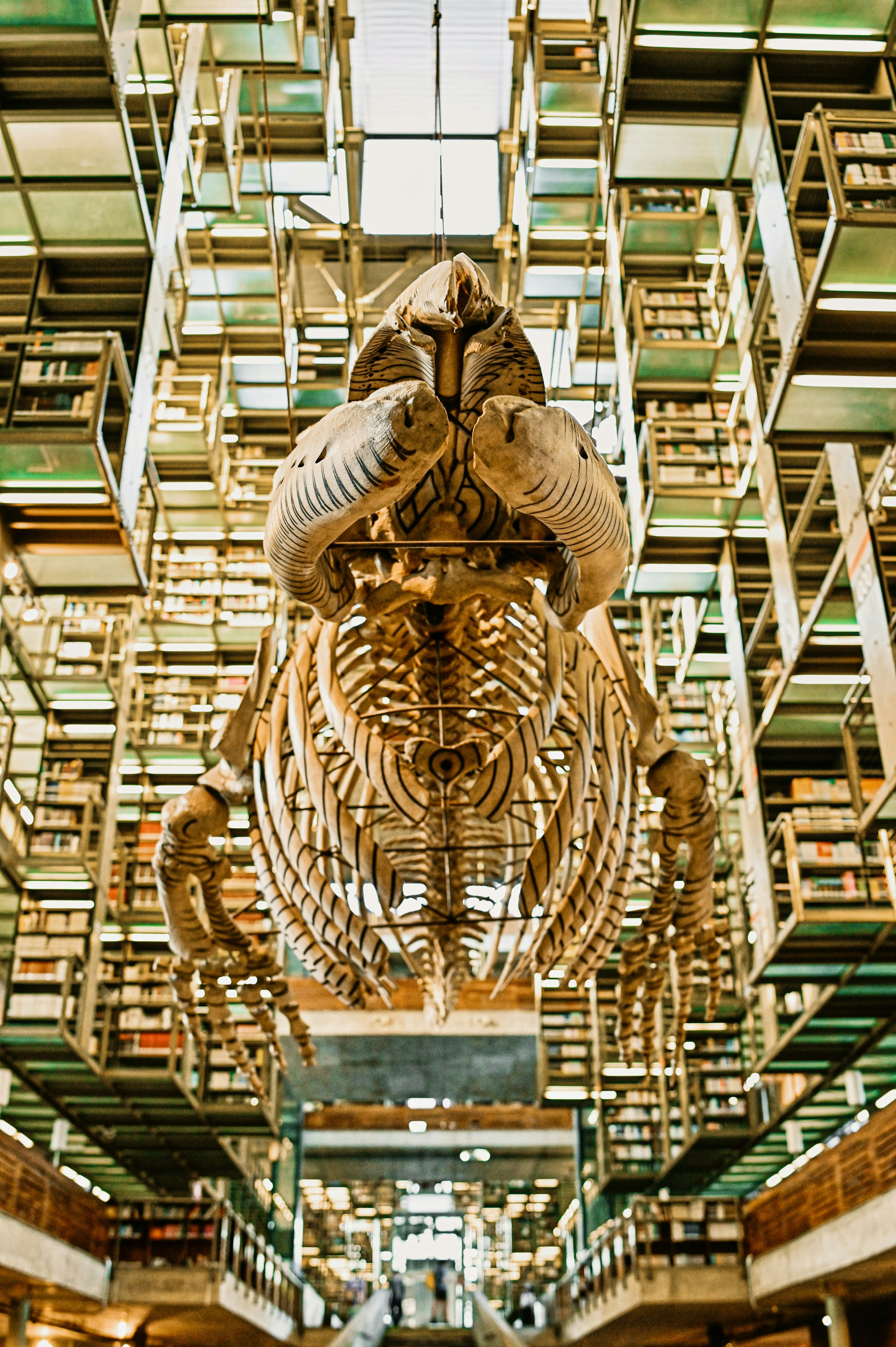
A cathedral for books suspended in steel and light. Architecture, literature, and art converge in a massive building that feels both infrastructural and cinematic — the architecture of this library allegedly inspired the Tesseract scene from the film Interstellar. Don’t miss Gabriel Orozco’s Mátrix Movil, a 40-foot gray whale skeleton marked with graphite circles that look like waves. It hovers in the central atrium, a poetic intersection of art and information.
Casa Luis Barragán
Gral. Francisco Ramírez 12, Ampliación Daniel Garza
An architectural manifesto in pinks, shadows, and silence. The former home and studio of Luis Barragán — one of Mexico’s most influential modern architects — is preserved as a museum, retaining his furniture, art collection, and personal objects. Its restrained planes and light-drenched rooms embody a spatial poetry that has made it one of few private residences in the world — and the only one in Latin America — to be named a UNESCO World Heritage Site.
Rosetta
Colima 166, Roma Norte
Chef Elena Reygada’s Michelin-starred Rosetta is refined without stiffness or pretension. The dining room balances Roman romance with Mexico City’s energy, and the menu — Mexican with global influences — treats seasonal ingredients with ambition. One of the few restaurants with a team dedicated to sustainability, they constantly seek new ways to reduce waste, reuse materials, and rethink processes, like using whole-ingredient cooking or sun-drying produce.
San Ángel Inn
Diego Rivera 50, Álvaro Obregón
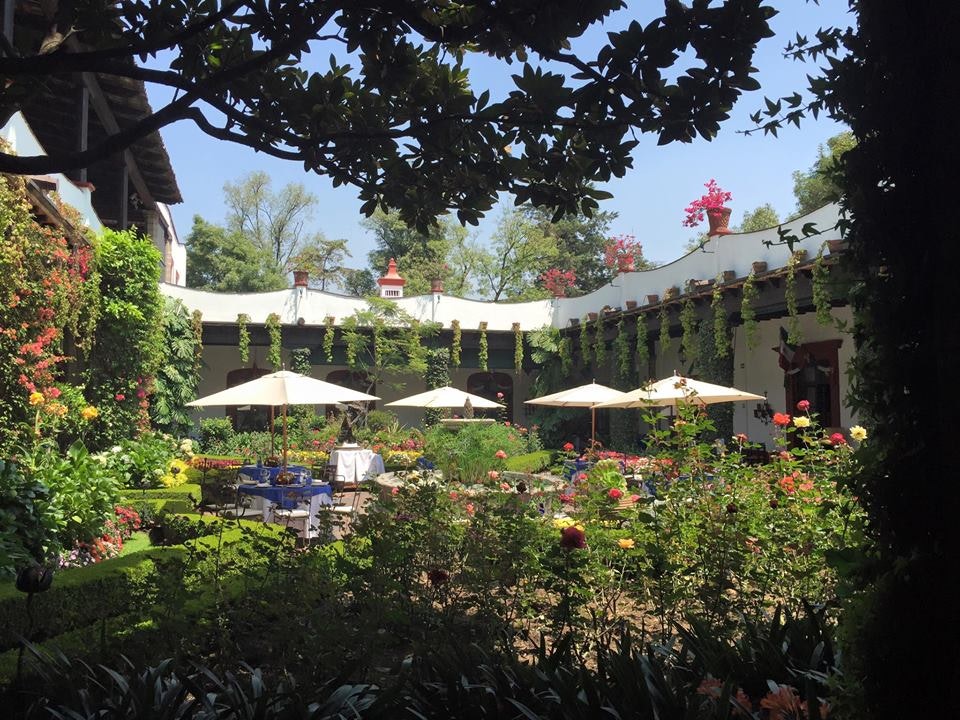
An afternoon institution in the south of the city, hosted in a 17th-century hacienda that was originally built as part of a monastery complex. Expect an oasis: Colonial courtyards, flowering plants, white tablecloths, and mariachi trios drifting between tables. The cuisine is unapologetically Mexican, and the bar is often cited as making some of the best classic margaritas (and dry martinis) in the city.
La Casa O’Gorman
Av. Altavista esq. Diego Rivera, Álvaro Obregón
Across from San Ángel Inn, this early functionalist studio was designed by Juan O’Gorman for Diego Rivera. Now part of the Museo Casa Estudio Diego Rivera y Frida Kahlo, the building’s geometric clarity and restrained use of materials reflect modernist ideas, preserving the artist’s workspace and offering an intimate look at his creative life.
Museo Anahuacalli
Museo 150, San Pablo Tepetlapa
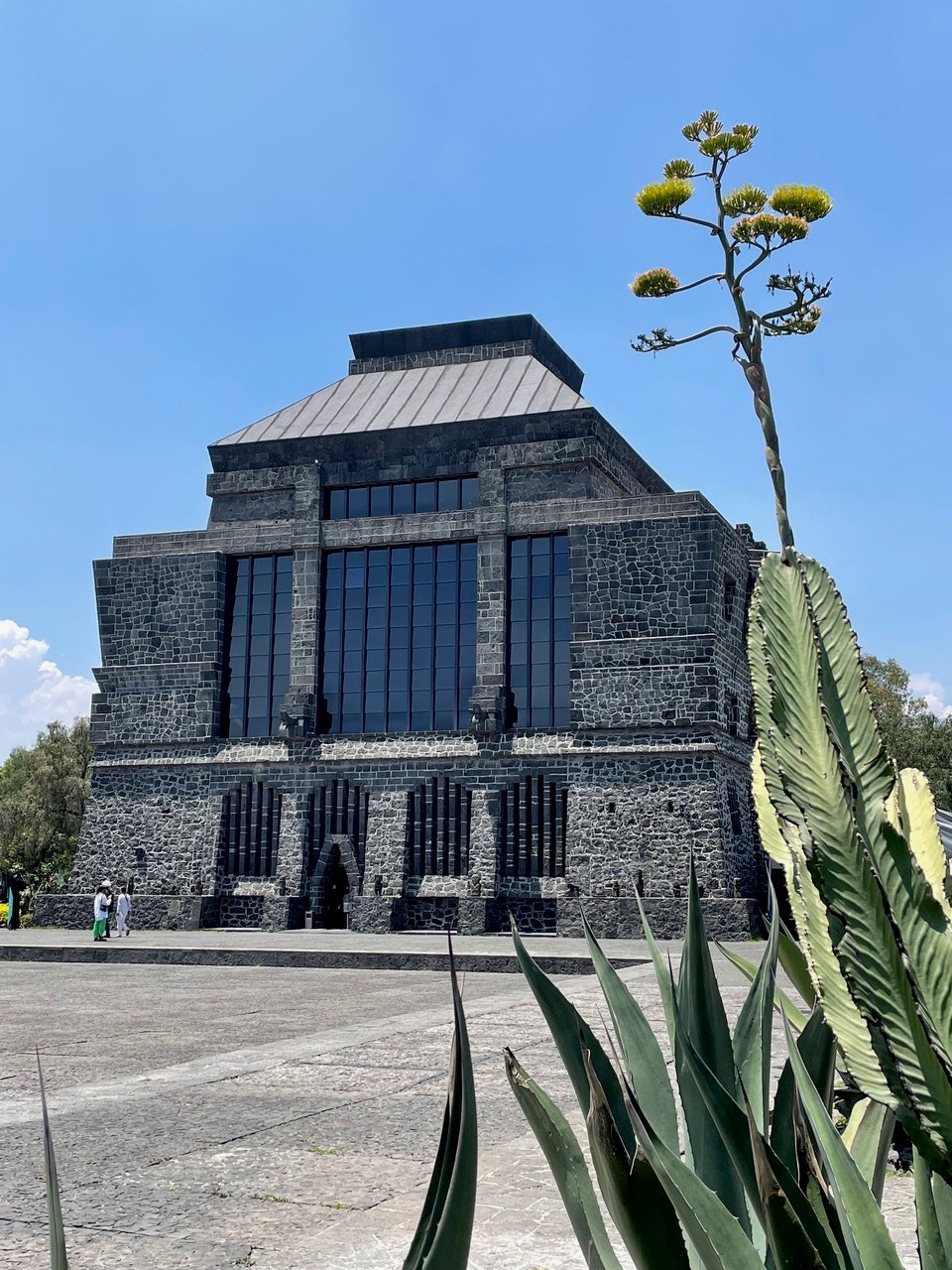
Rivera’s monumental ode to pre-Hispanic art and cosmology. Built from black volcanic basalt rock from the Pedregal and inspired by Mesoamerican temples, the Anahuacalli houses Rivera’s collection of over 50,000 indigenous artifacts. Its stepped, fortress-like volumes and amber onyx windows modulate light and shadow, making the architecture itself a primary exhibit.
La Ópera
Av. 5 de Mayo 10, Centro Histórico
An old-world cantina founded in 1876 with fittingly operatic ceilings and the well-worn patina of a thousand evenings. The menu is brief — focused on traditional Mexican meat and seafood dishes without much fanfare — but the experience is not. Order a tequila, and listen to rancheras playing late into the night. It’s a place where nostalgia feels both a performance and a comfort.
Casa Bosques
Córdoba 25-A, Roma Norte
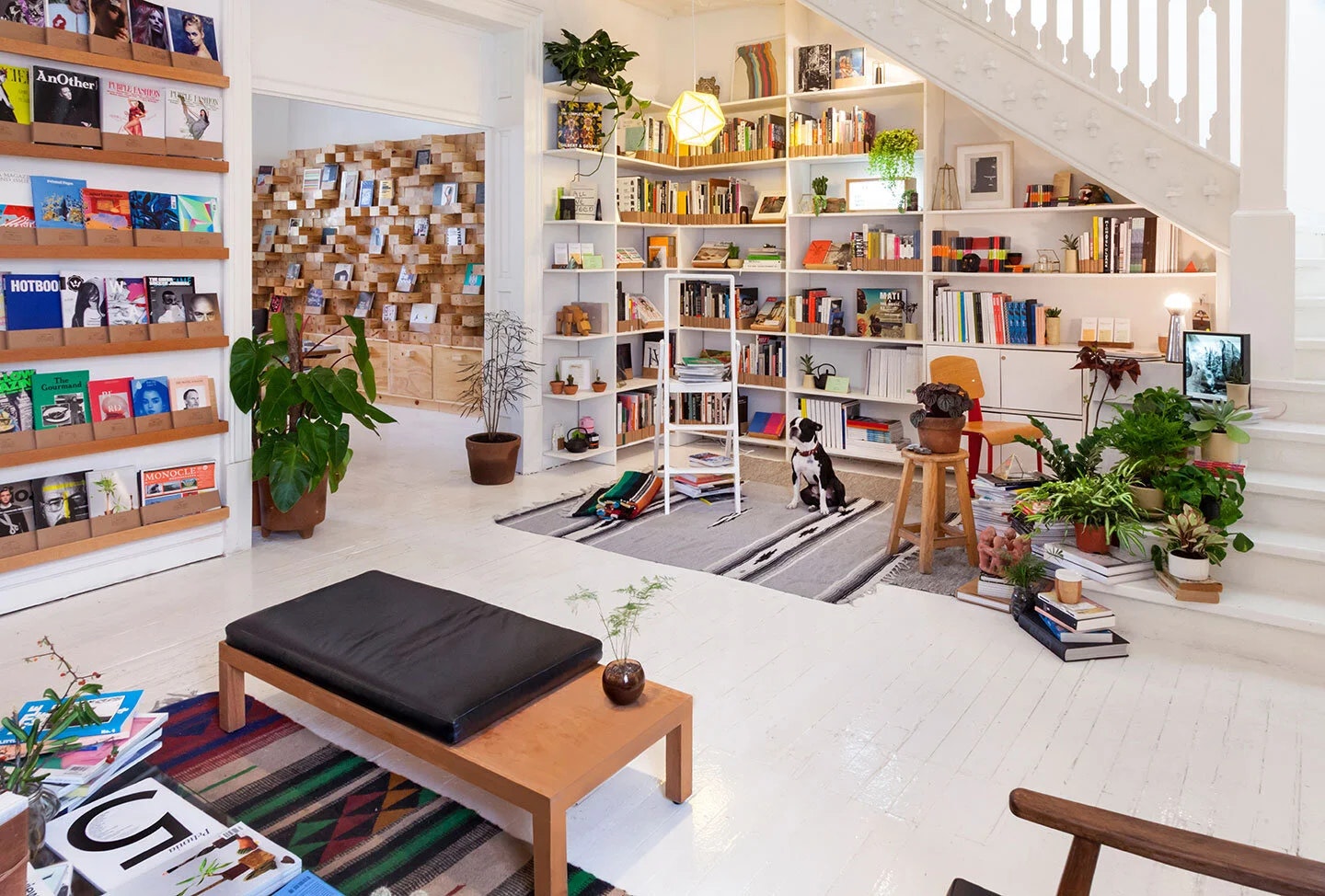
My contribution to Mexico City’s heartbeat, Casa Bosques is a sanctuary for artist books and rare literature in a restored mansion. Meticulously curated titles sit alongside design objects in a space that conveys the feeling of a sitting room, where you’re encouraged to take a book and read on the couch. The attached Casa Bosques Chocolate atelier crafts small-batch cacao creations on site — a place where reading and tasting share the same tempo.
Museo Nacional de Antropología
Av. P.º de la Reforma s/n, Polanco
You’ll find this museum in many guides, and with good reason. Monumental and essential, the space features an iconic inverted fountain — “El Paraguas” (The Umbrella) — in their central courtyard and exhaustive exhibitions charting the indigenous civilizations of Mexico from ancient times to the present. Its architecture and collections make it indispensable for understanding the country’s cultural lineage.
MASA Galería
Joaquín A. Pérez 6, San Miguel Chapultepec
Beginning as a nomadic gallery focused on art, design, and architecture, MASA now has a permanent home in a historic 19th-century residence. The building’s soaring ceilings and classic detailing serve as an ideal backdrop for MASA’s rigorous and thoughtful programming. The surrounding neighborhood invites wandering — good coffee, small bakeries, and light that settles softly in the afternoon.
Hear from other founders, builders, and creatives about the places that inspire them: Austin, TX | Melbourne | Tulsa, OK | New England | Los Angeles, CA
About the author
Rafael is an artist, creative director, founder of Savvy Studio and Casa Bosques Chocolate, and owner of Librería Casa Bosques and Casa Bosques Pensión.
Share article
Related reads
Where Zack Fox finds creative spark in Los Angeles
Manoj Dias’s Melbourne rewards those who pay attention
Where Emily Sundberg captures New England summer vibes