On representing financial data as still life paintings

Sarah Mohammadi, Brand Designer at Mercury, is an Iranian-American designer and art director based in New York City.
Behind Mercury’s Insights campaign lies a simple truth: Businesses aren’t built in a single defining moment. They’re built transaction by transaction, where every transfer, deposit, expense, and payment adds up over time. As those accumulate, patterns emerge, and with them, a clearer, more meaningful picture of the business itself.
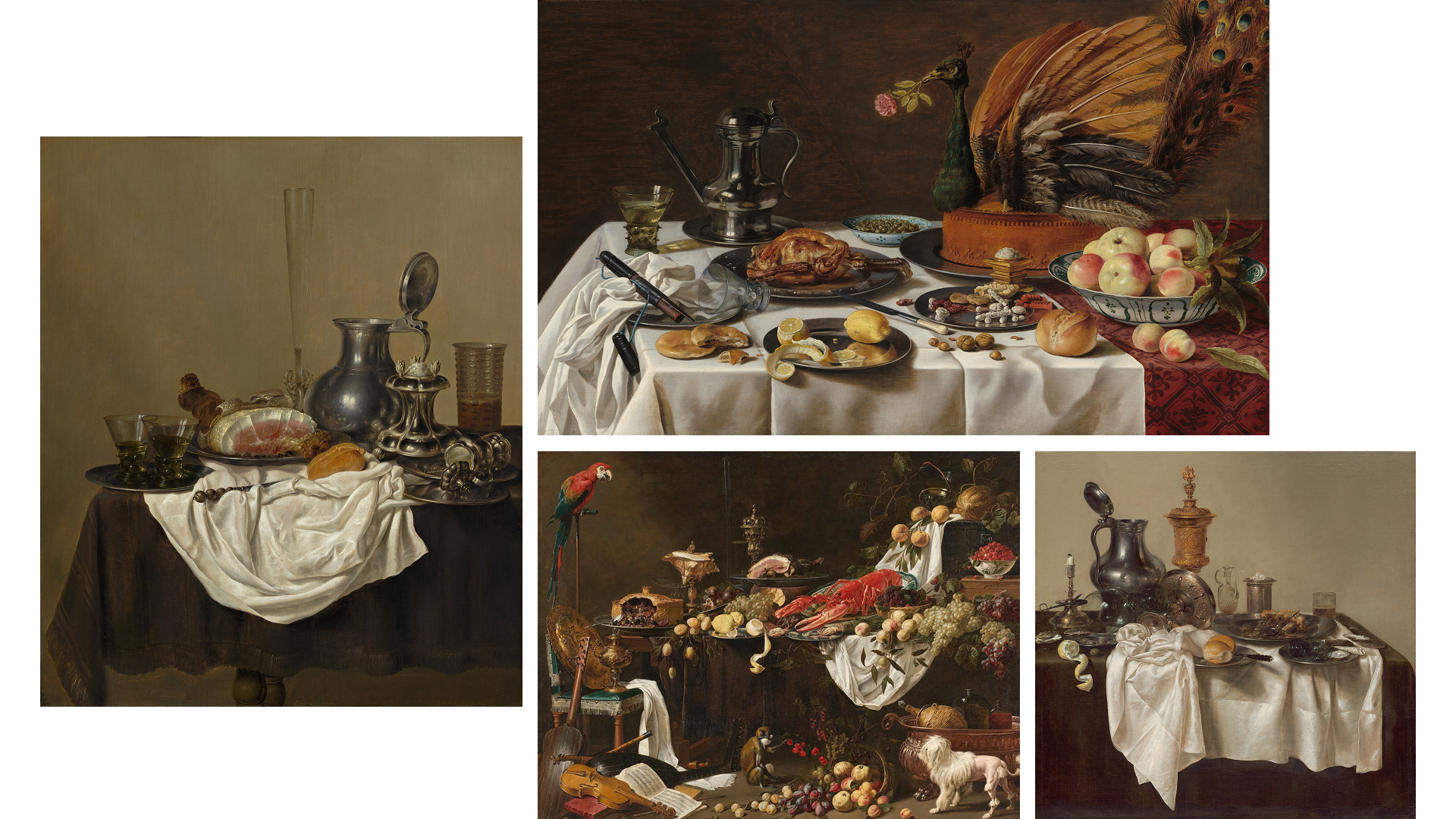
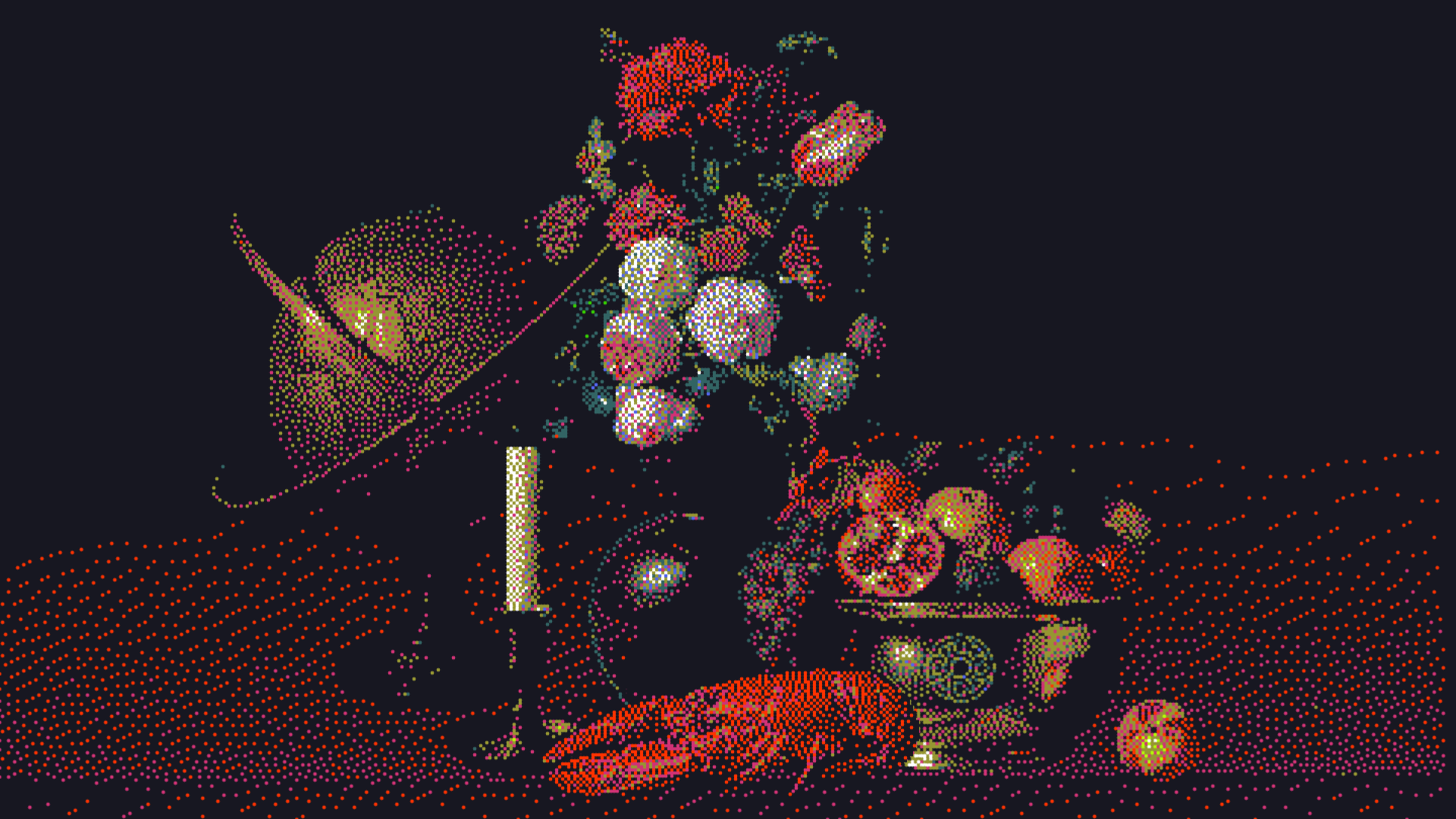
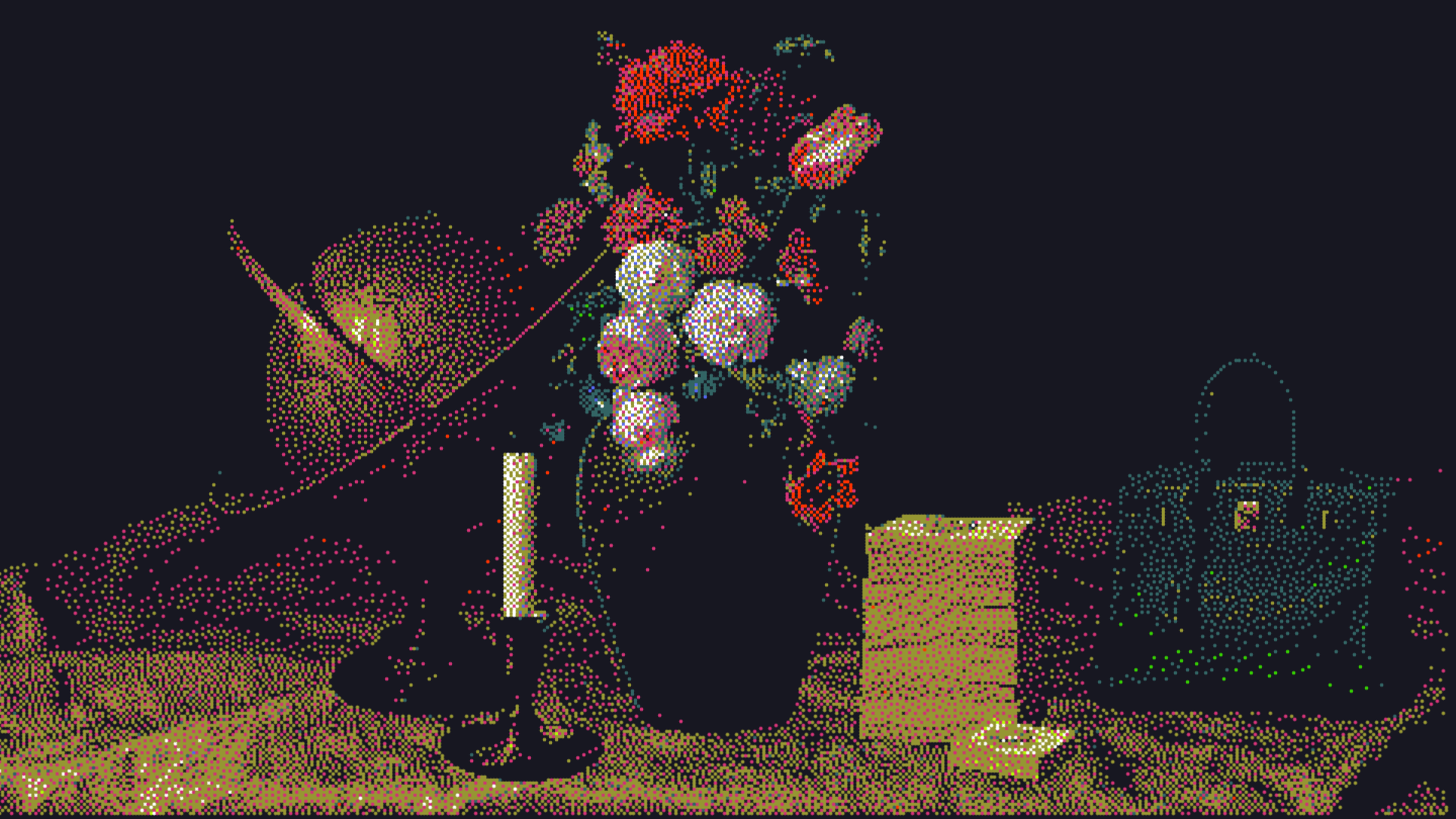
So we started with a question: How do you visualize that picture? Could financial data be composed into something beyond charts and graphs that typically represent a business? Something unexpected, expressive, even beautiful? The answer, naturally, led us to 17th-century still life paintings.
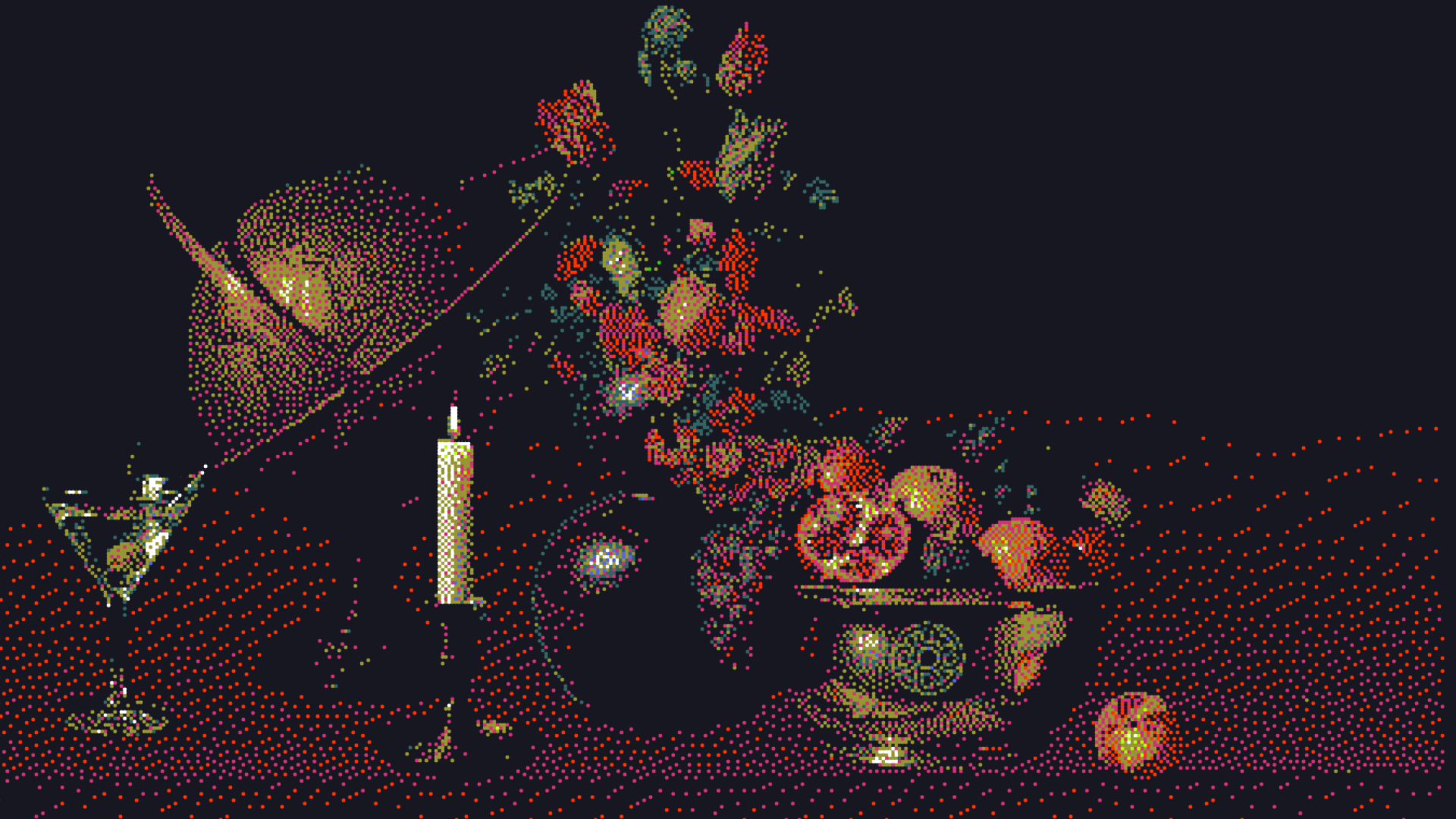
Traditionally, these paintings were studies in prosperity and precision where nothing was accidental. Every object was carefully chosen and arranged to tell a larger story. We reimagined the classical format as a living portrait of a business, a symbolic representation of transactions, company size, geographic spend, travel expenses, and more.
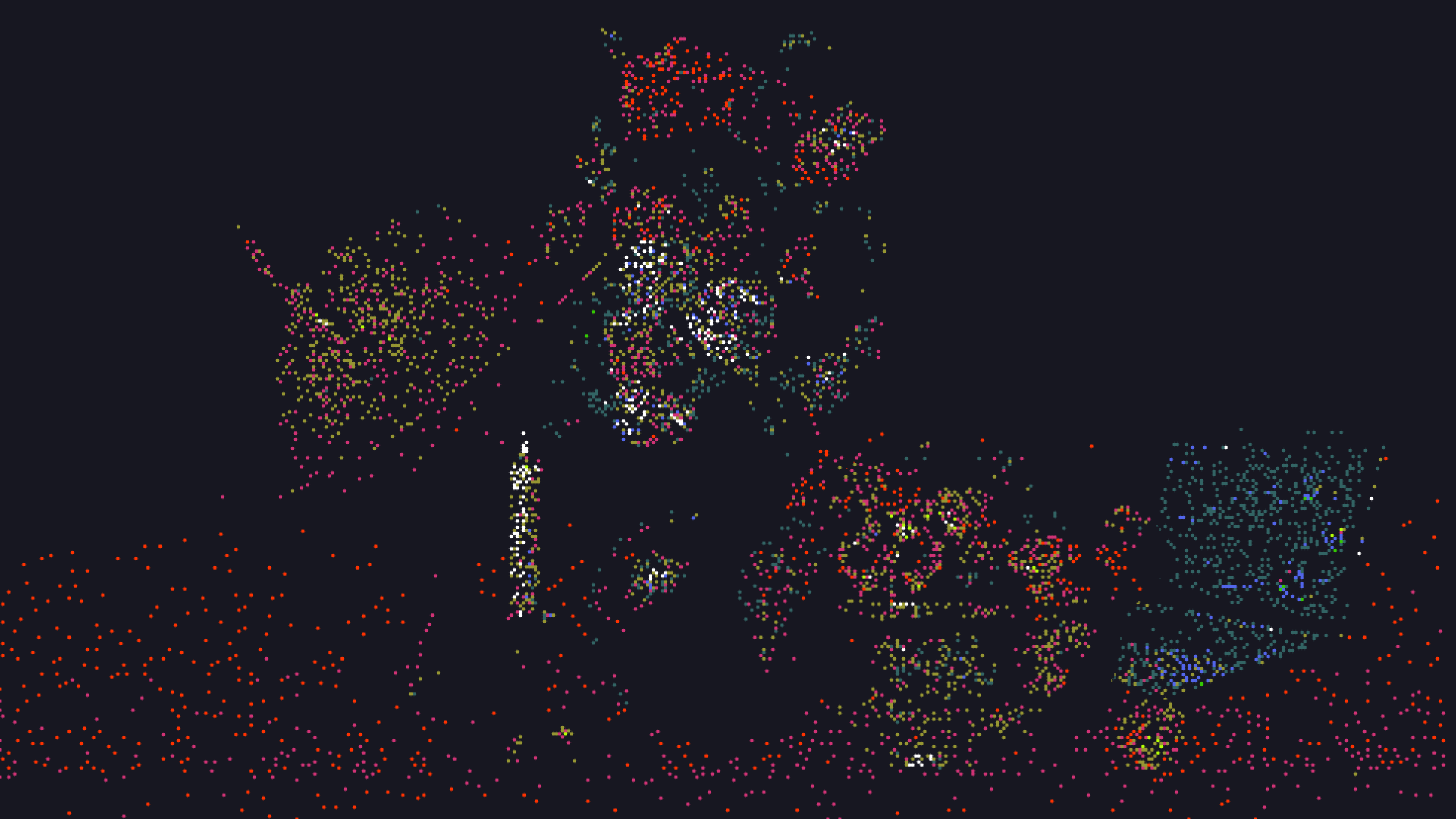
To bring that idea to life, we partnered with London-based generative artist Andreion de Castro. The result is a combination of one of the oldest forms of visual perception (oil painting), and one of the newest (computational particle systems) to create unique financial snapshots.
Sarah Mohammadi: To get us started, what were some of your first thoughts when we reached out about collaborating on digital still life images for Mercury customers? What excited you? What challenges did you foresee?
Andreion de Castro: What excited me most about the whole idea was trying to blend two very different worlds: fine art and logistics, the classic and the contemporary. It felt unique, especially in the context of data visualization. We’re so used to seeing transactional data expressed through line graphs, pie charts, or bar charts, so the idea of using a still life to visualize it was something I hadn’t encountered before. At first, I found it difficult to even picture how it would work. I remember asking myself, ‘how are we going to do that?’ But that uncertainty was also what drew me in. It was a genuine creative challenge.
It needed to look and feel like it belongs with Insights, as part of the same system.
SM: We were really interested in that tension, too, and the idea of bringing the highly aesthetic to something that people think is commonplace like financial data. Was there anything in Insights that you were particularly interested in working with?
AdC: Insights already had a distinct visual language. When I began working on the still lifes, I wanted them to feel like a natural extension of that, not something random or purely decorative. Whether through the palette or the overall aesthetic, my goal was for the generative work to feel coherent with the Insights product. It shouldn’t feel like something that could exist anywhere else. It needed to look and feel like it belongs with Insights, as part of the same system.
SM: We were drawn to the small, controlled elements of your work that interact with data to create something cohesive and beautiful, and for the parallels it shares with Insights. When you begin a piece or project, do you start with a fully formed vision in mind and work toward it? What was your process like for these still lifes?
AdC: I tend to work a bit backwards. When I look at a project, I often already have a sense of how I’ll approach it, whether that means using a grid system, a particle system, adding motion, or choosing a particular tool. I usually visualize the end result, the bigger picture, first. From there, my process becomes a mix of intuition and logic. So I start asking: How do I get there? What steps do I need to take? Everything in between gets built and refined along the way. Computational design is so embedded in my design language that these frameworks come naturally. It’s not about setting strict limitations, it’s more like a switch flips and I start imagining the end result and instinctively begin trying different ways to achieve that outcome.
SM: How did iteration work in your computational process? Adjusting the code itself, the visual parameters, the underlying logic, or something else?
AdC: For this project, the overall composition is built on logic, a system architecture that determines how objects are placed, but I wanted the final result to feel organic. That meant making a lot of manual adjustments. Even within the system, I would tweak placements, shifting an object slightly left or right, to refine the composition. It was a balance between design system and hands-on refinement, all to ensure it didn’t feel overly engineered, but instead retained a human quality.
The goal was for it to feel like a collaboration between the computer and myself, rather than something produced by the machine alone.
SM: In past interviews, you’ve talked about wanting your work to feel emotionally substantial. How do you evoke emotion from a dataset, something that many people see as purely functional or impersonal?
AdC: When you want a piece to feel personal or emotionally resonant, what matters most is how the audience relates to it. For this project, we chose the language of still life, something many of us have encountered, consciously or not. It’s a format that’s been around for centuries, so it has an inherent familiarity. Even though the foundation is data and numbers, the visual form is something people recognize. That familiarity creates a point of connection. Ideally, someone can look at the work and think, I relate to that, and feel something beyond the data itself.
SM: Walk us through your early explorations of vases and florals. How did you decide how the elements should come together?

AdC: In some of the early iterations, the flowers and floral arrangements felt a bit too generative and you could sort of sense the system behind them. Over time, I realized we needed to push toward something more organic by reintroducing a human touch. The goal was for it to feel like a collaboration between the computer and myself, rather than something produced by the machine alone.
SM: There were some built-in constraints to this project. One core part of the metaphor is that more transactions create a fuller and more complete image. There were also constraints around mapping and deciding on each symbol (a globe symbolizing international payments, for example, or a lobster if your highest spend category was travel). Did working inside a defined system help sharpen the outcome, or did it feel limiting?
AdC: I actually like the idea of working within a box because at times that’s exactly what it felt like. We were designing within a limited canvas, and inside that fixed space we needed to visualize multiple datasets and objects. That constraint forced us to think creatively about how everything could coexist within a single composition, whether that meant adjusting the objects themselves or rethinking how they were arranged.
SM: Do you have a favorite object?
AdC: I’m not sure I’d call it my favorite, but there’s one object that really intrigued me: the fish tin, like a tuna can, that appears in some of the compositions. There’s something subtle and slightly unexpected about it that makes it intriguing.

SM: Speaking of attention to detail, how do you maintain that level of intention and precision when some elements are variable?
AdC: That’s where trial and error came in. This was very much a collaboration between creativity and system design. We worked closely to find compositions that felt natural, as if the objects had simply fallen into place, even though a great deal of thought and refinement went into achieving that balance. The goal wasn’t randomness for its own sake, but a generative system that allows variation while still feeling intentional.
SM: Another exciting aspect of this work is that the art responds to your data in real time. As your financial activity evolves, so does the composition. You might see a crab in the art today and return a week later to find it replaced by a moka pot. The work becomes a living portrait of your business and finances over time.
AdC: That’s true. In some ways, then, “still life” might not even be the most accurate term for what we created together. Traditionally, once a still life is finished, it’s done. But this one evolves. It grows with you. We’ve taken the language of the still life and set it in motion: generative, organic, and ever-changing. It’s a reinvention of the form for the 21st century.
About the author
Sarah Mohammadi is an Iranian-American designer and art director based in New York City. A staff brand designer at Mercury, she holds an MFA in Graphic Design from Rhode Island School of Design (RISD).
Share article
Related reads
Dynamic pricing strategies for your ecommerce business
The future belongs to the tinkerers