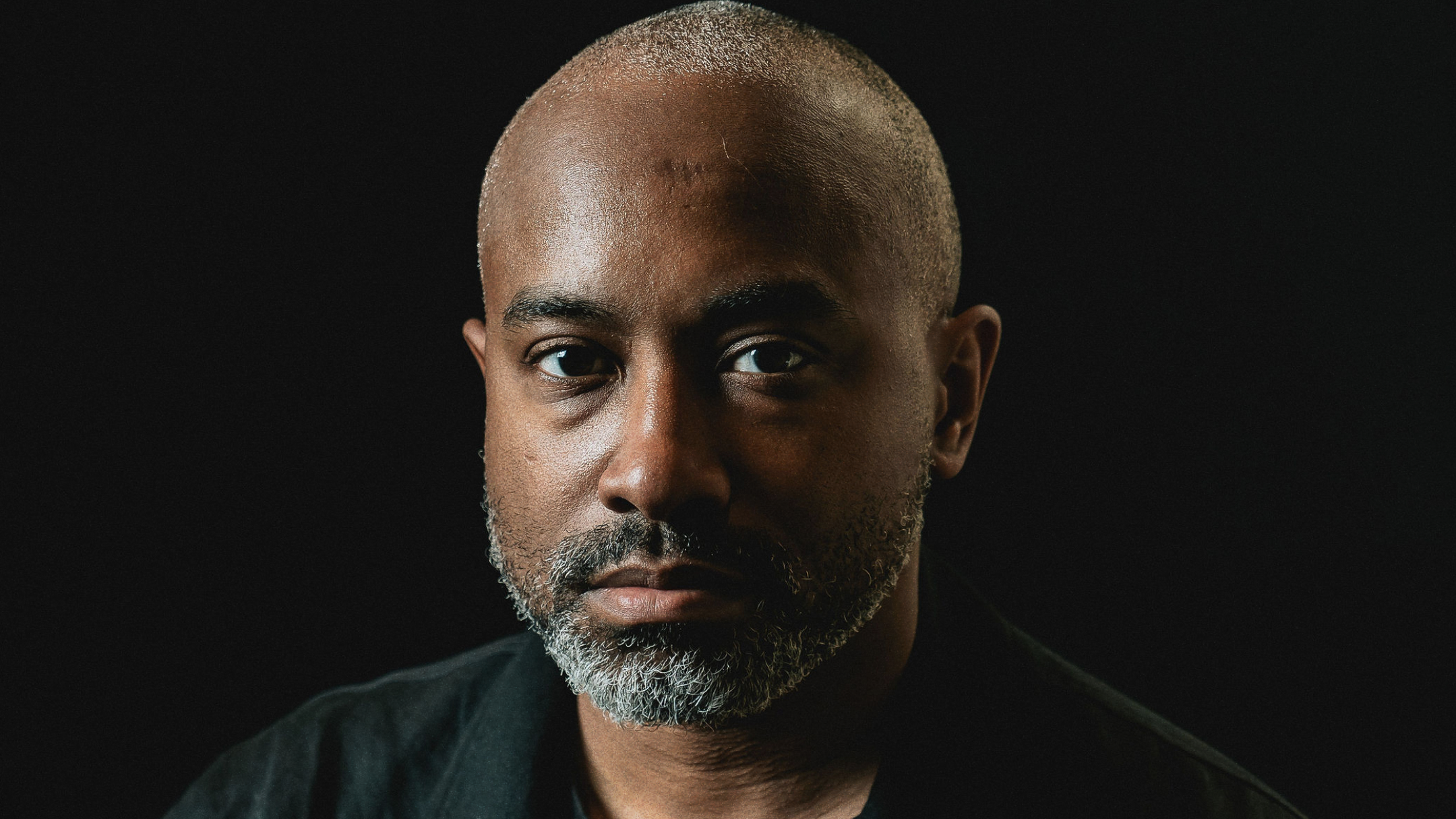
Dwarkesh Patel’s lessons for founders

Senior Content Editor at Mercury
At TechCrunch Disrupt 2025, Mercury hosted a series of Expert Sessions on topics from creating a brand that stands out to building trust in your startup. Here’s a recap of insights from our session with Dwarkesh Patel, author and host of Dwarkesh Podcast, and Chris Painter, Policy Director at METR. They discussed how deliberate preparation, curiosity, and care can turn a podcast into a learning product — and a career.
The art — and rationale — of deep preparation
Podcasts are everywhere — which makes Dwarkesh Patel’s rise above the crowd of mic’ed up prognosticators all the more notable. With his deep interview preparation yielding substantive, unscripted conversation, he’s amassed an audience of over one million YouTube subscribers and consistently ranks as a top ten podcast on Spotify in the U.S. Technology category.
Patel’s approach is quality over quantity — he often spends weeks researching a single guest. “There just aren’t 52 [Andrej] Karpathys in the world [to host every week in a year],” he says. “If you have the opportunity to speak to him, you want to dump all your resources into prepping for it.” That depth can pay off in unexpected ways: When interviewing geneticist David Reich, for example, Patel was able to reference an obscure footnote from a paper Reich had written, shifting the discussion to the evolutionary timeline of the human genome.
“It was a random footnote that I’d cached, which I wouldn’t have known if I’d just skimmed his book the day before,” Patel says.
Preparation, for Patel, is about being ready to follow a conversation anywhere. “The podcast is just a conversation,” he says. “If you do more prep, you have better follow-ups and more interesting digressions.”
Lesson for startup founders
For founders, that level of discipline in preparing for conversations is relevant — with customers, investors, and other stakeholders. For investor conversations in particular, knowing how they invest, what their current portfolio looks like, and where your startup fits into that picture can make those conversations more productive.
What makes a great guest
Asked what he looks for in an interview subject, Patel looks for experts who can draw context from other disciplines. “The best guests can entertain hypotheticals and draw analogies from other fields. That’s what makes the conversation fun.”
Patel finds that many experts are brilliant within their domain, but may not step back to connect their work to broader questions. He cites historians who tend to frame events as rigid in nature, rather than just one outcome among myriad plausible ones. For Patel, exploring those different scenarios can lead to interesting discussions and offer learnings for the future: “What if this one side had more resources? Does that explain why they won or lost a war?” he says.
“Strong guests have a really good understanding of other fields and can talk to it. They can look at how technology or economics in a certain era affects the outcome of this historical process,” Patel says.
Lesson for startup founders
It’s important to look outside your field and present-day lens, including toward things like the history of the market or why other companies have or haven’t succeeded. Moreover, having knowledge that goes beyond your industry can bring breadth and balance to your perspective, enabling you to connect dots, borrow solutions that worked elsewhere, and constructively address challenges your business is facing.
Topics over tabloids
Patel approaches his podcast as a form of structured curiosity. “It’s the same reason that homework problems are useful when you’re learning a subject,” he explains. “You could just watch a professor spell out a proof, but you’re not going to really understand until you work through it yourself.”
He aims to create a similar learning dynamic for listeners by unpacking ideas through tangible examples. “Somebody in the field will definitely know why my question is naïve or mistaken, but the expert has forgotten that they have this deep intuition. Providing a counterexample often paints a firmer picture of what they’re talking about.”
Patel also resists the biographical tendencies of much popular media. “I do get frustrated that so much content about science or history is about the personalities of the people who made discoveries, rather than discoveries themselves,” he says. “Most of the time, it’s just anecdotes about the guy who did this experiment… and I’m like, who gives [a damn]?”
Lesson for startup founders
Bring your curiosity into the world of your target customer. Actually go through their workflows and use cases to fully understand what would be useful to them — not just as a theoretical exercise, but as one based on real, hands-on research.
Market with care
Beyond the intricacies of the conversations held on Dwarkesh Podcast, Patel doesn’t shy away from the business side of running a podcast. “People don’t understand that they have to convince other people to listen to this thing,” he says. “They don’t treat marketing their product as a priority.”
He references all the framing — the episode title, social media copy, and highlighted clips — as core to a potential listener’s journey. “This is the only information a stranger has about whether there’s something compelling going on here.”
Lesson for startup founders
Many founders and experts have uniquely deep intuition on the topics relevant to their worlds and businesses. This can become a “curse of knowledge” for a business — one that influences marketing plans and leads to unhelpful assumptions about what customers do and don’t “get” about your product or business. It may all seem obvious to you, but brands need to build the case that compels their audience to learn more.
An approach that transcends industries
Patel attributes some of his success to timing — starting when his opportunity cost was low — but more to persistence and curiosity. “If you could host a good podcast, you usually have better things to do,” he says. “I started doing it at a time when my opportunity cost was really low, and the podcast continued to stay more interesting than the opportunity cost.”
But his deeper message was about intentionality — an idea that depth, care, and conviction can compound faster than any growth hack. His process, from meticulous prep to thoughtful marketing, reflects a simple but demanding philosophy: build something worth people’s time.
At a conference full of founders and builders chasing the next frontier, Patel’s message landed clearly: Thoughtful, deliberate preparation and genuine curiosity are what make the work — and the audience — show up.
About the author
Andrew is an editor and content marketer at Mercury, bringing his storytelling perspective from tech brands like Dropbox and PagerDuty and long-ago banking experience at Morgan Stanley. He’s based in San Francisco out by Ocean Beach.
Share article
Related reads