12 design books every founder should read
Erin DeJesus is senior editor of Meridian.
Design is essentially an act of decision-making — a series of choices about how something should function, look, or simply be. And when you’re building a business, the world of design books and histories is often a great place to look for inspiration.
For a Mercury activation during SF Tech Week 2026, we curated a pop-up bookstore filled with books to give new lenses for synthesizing ideas, constructing frameworks, and exploring unexpected paths. These 12 books, authored by architects and systems designers, anthropologists and scholars, capture thinking that reveals (or shakes up our understanding of) aspects of the designed world. Consider each an invitation to think about why you make the decisions you do as you build.
Notes on the Synthesis of Form
by Christopher Alexander, Harvard University Press (1964)
Buy it | Borrow it

“The ultimate object of design is form.” With one seemingly simple sentence, Alexander’s tome about architectural design and engineering broke down designing into a process that prioritized the concepts of “form” and “context,” defining success as finding the “good fit” between the two. Its accompanying systematic framework — understand the relationships between smaller parts of the whole, then work through the tensions — could be applied to other complex problems, and has since been credited with influencing computer science, software engineering, and systems design.
The Soul of a Tree: A Woodworker’s Reflections
by George Nakashima, Kodansha International (1981)
Buy it | Borrow it

Part interior design inspiration, part sketchbook, and part memoir, woodworker Nakashima offers beautifully written vignettes where mountain goats, Indian ashrams, and the specific fibers of different trees all set up the premise that a fully realized life — and a deep respect for one’s materials — is what fuels the making of an object. This is a monument to the considerations that go into craftsmanship at the highest level, inspiration for setting the bar for quality as it can only be uniquely defined by you.
Graph Vision: Digital Architecture’s Skeletons
by Theodora Vardouli, MIT Press (2024)
Buy it | Borrow it
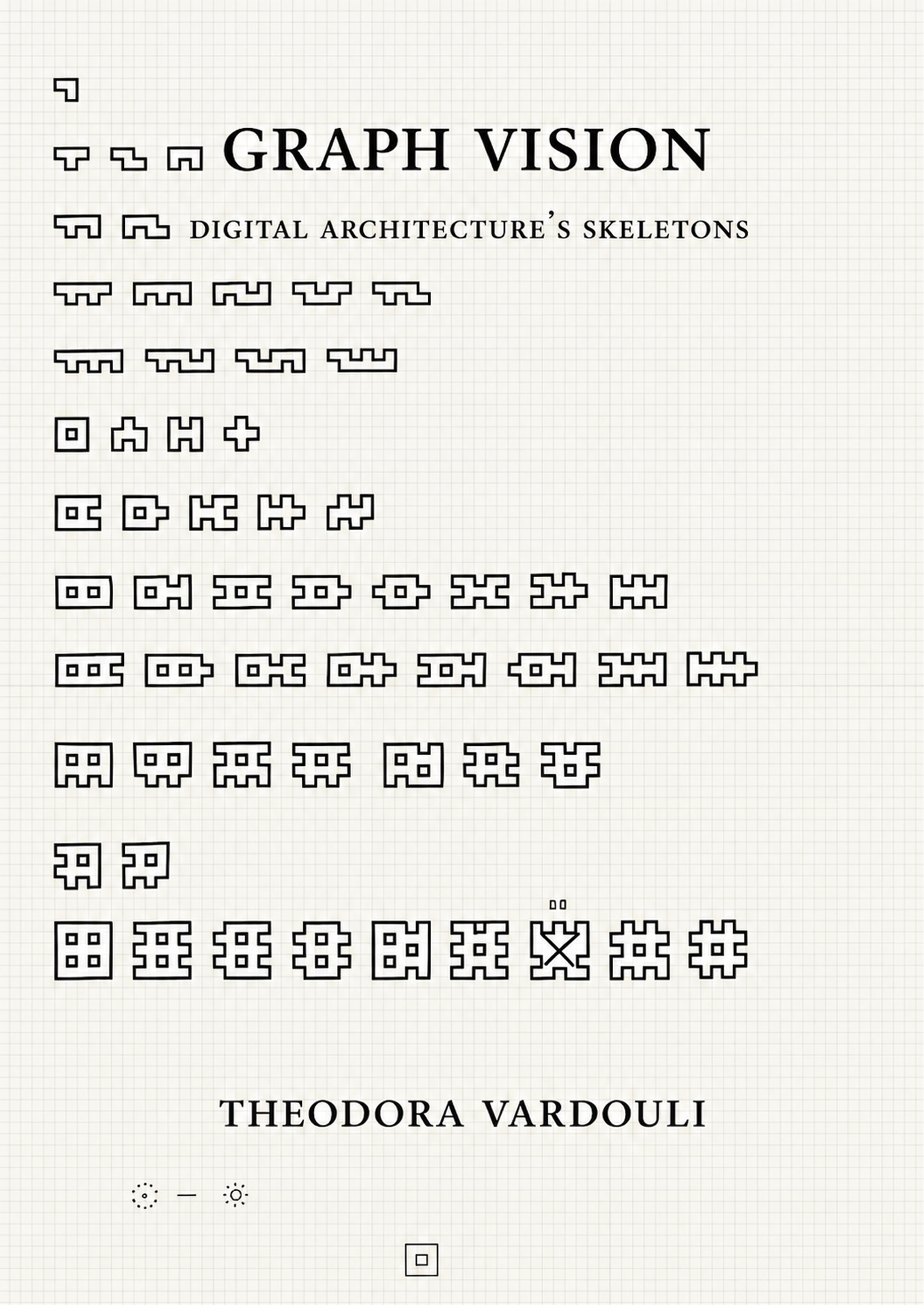
Through the specifics of just one mathematical tool — the graph — computational design scholar and McGill professor Vardouli relates the worlds of math, computer science, and architecture into how we think about networks and digital structures. The big reveal is how design is about relationships, and the book offers a historical perspective on how new technologies change not just what we build, but how we understand what we’re making.
You can’t navigate well in an interconnected, feedback-dominated world unless you take your eyes off short-term events and look for long-term behavior and structure.
Donella H. Meadows
Thinking in Systems : A Primer
by Donella H. Meadows, Chelsea Green Publishing (2008)
Buy it | Borrow it
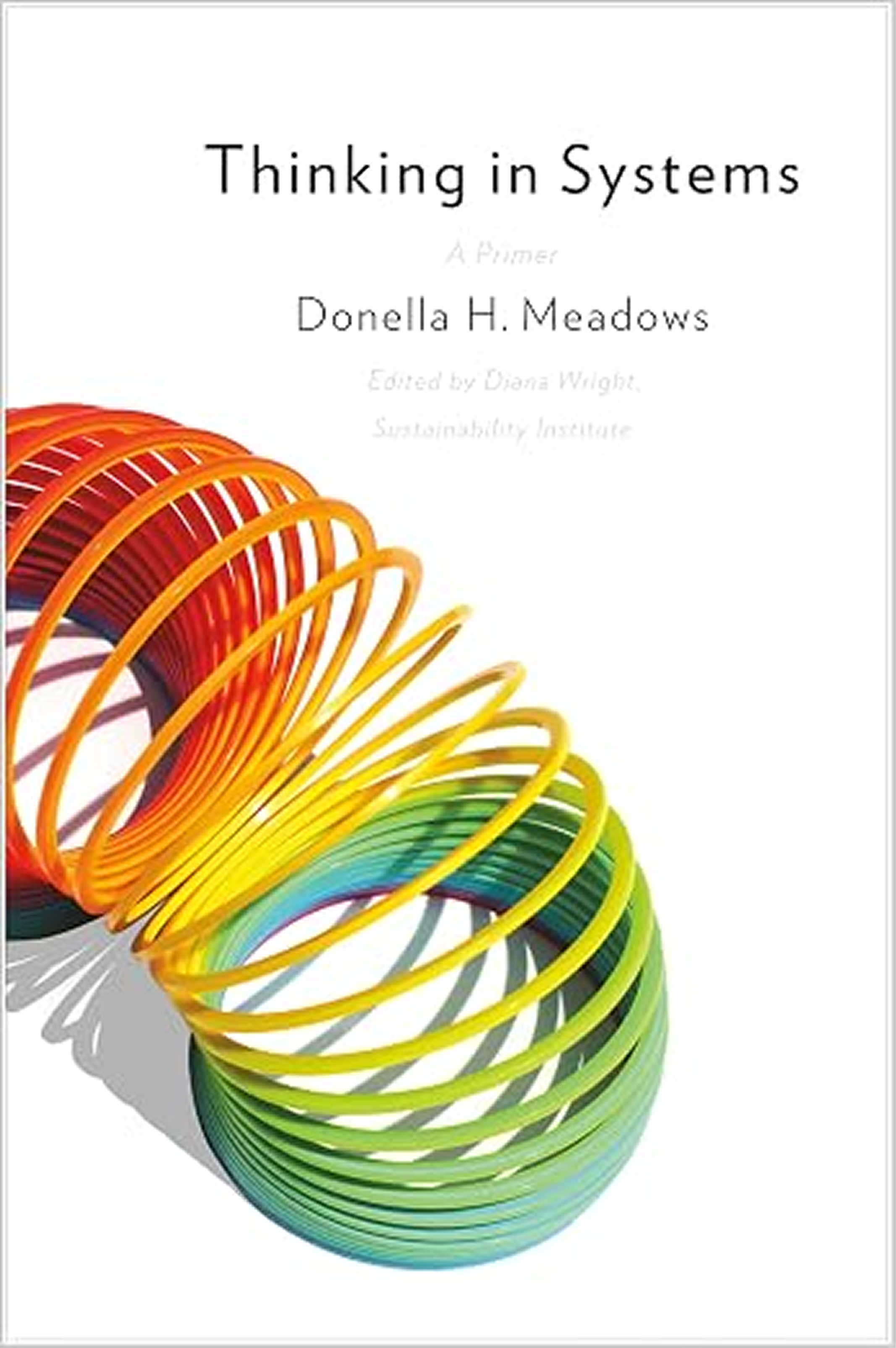
In technology design, systems thinking situates each distinct piece of tech within its place in a larger whole. Meadows’s book, published posthumously based on an early draft first written in the 1990s, applies systems thinking to the world at large, revealing how underlying structures can be more responsible for outcomes than isolated or individual acts. Particularly instructive is her unpacking of feedback loops — a strong understanding of their interdependencies and unintended consequences can help founders build systems far stronger than the sum of their parts.
Also Known As : Uncovering Representational Frameworks in Architecture, Art, and Digital Media
by Michelle JaJa Chang, MIT Press (2024)
Buy it | Borrow it
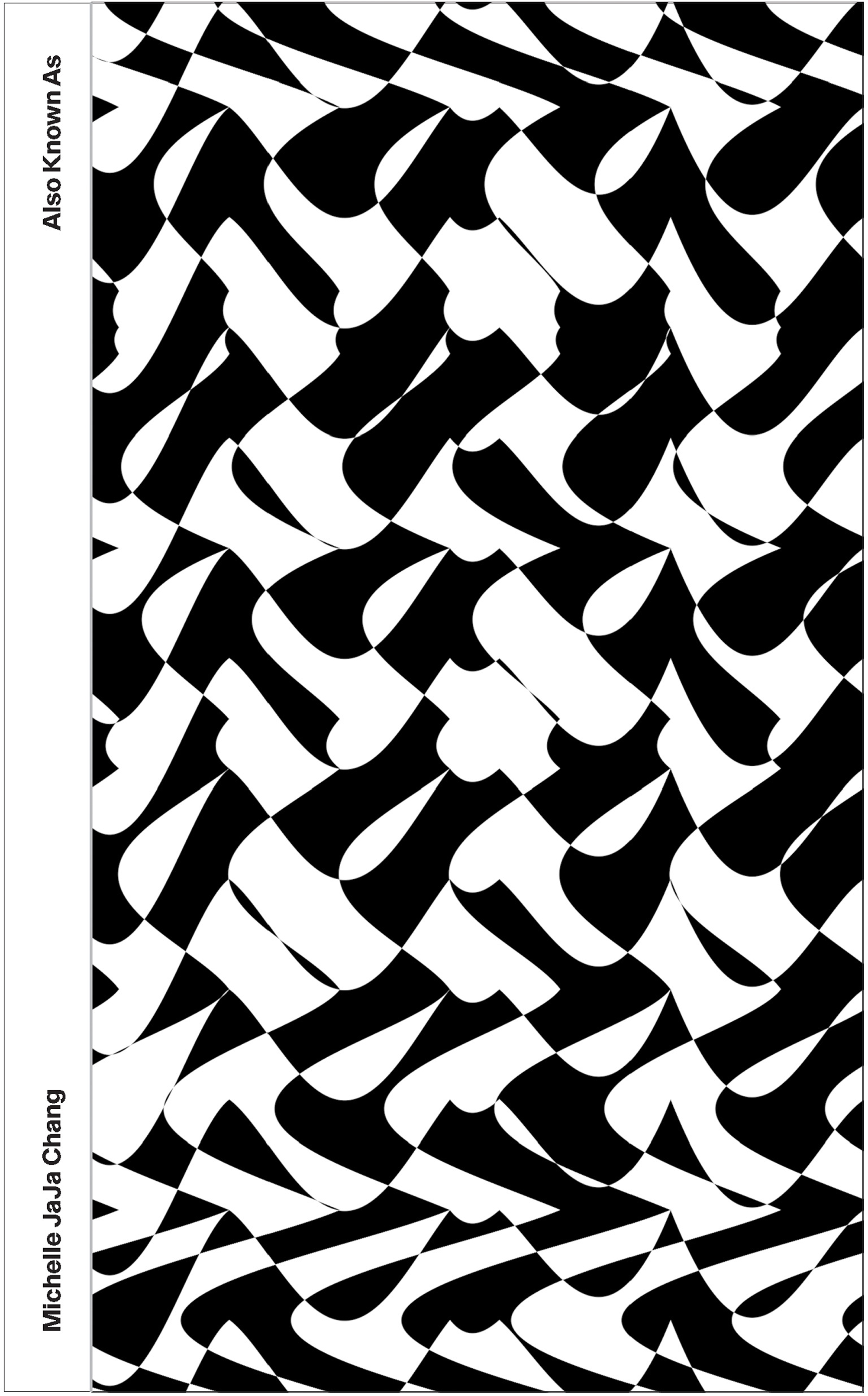
In this self-described “book in fragments,” designer and architecture professor Chang takes objects like an 11th-century Mimbres bowl and a Daffy Duck animation cell, connecting those disparate items to architectural ideas and histories. The result reveals how design is often a kind of organizational theory that creates its own frameworks. The looseness of the book’s form then encourages the breaking of those boundaries, provoking founders to consider the potential interconnectedness of seemingly unrelated things and then mine those discoveries for unexpected inspiration.
Envisioning Information
by Edward Tufte, Graphics Press (1990)
Buy it | Borrow it
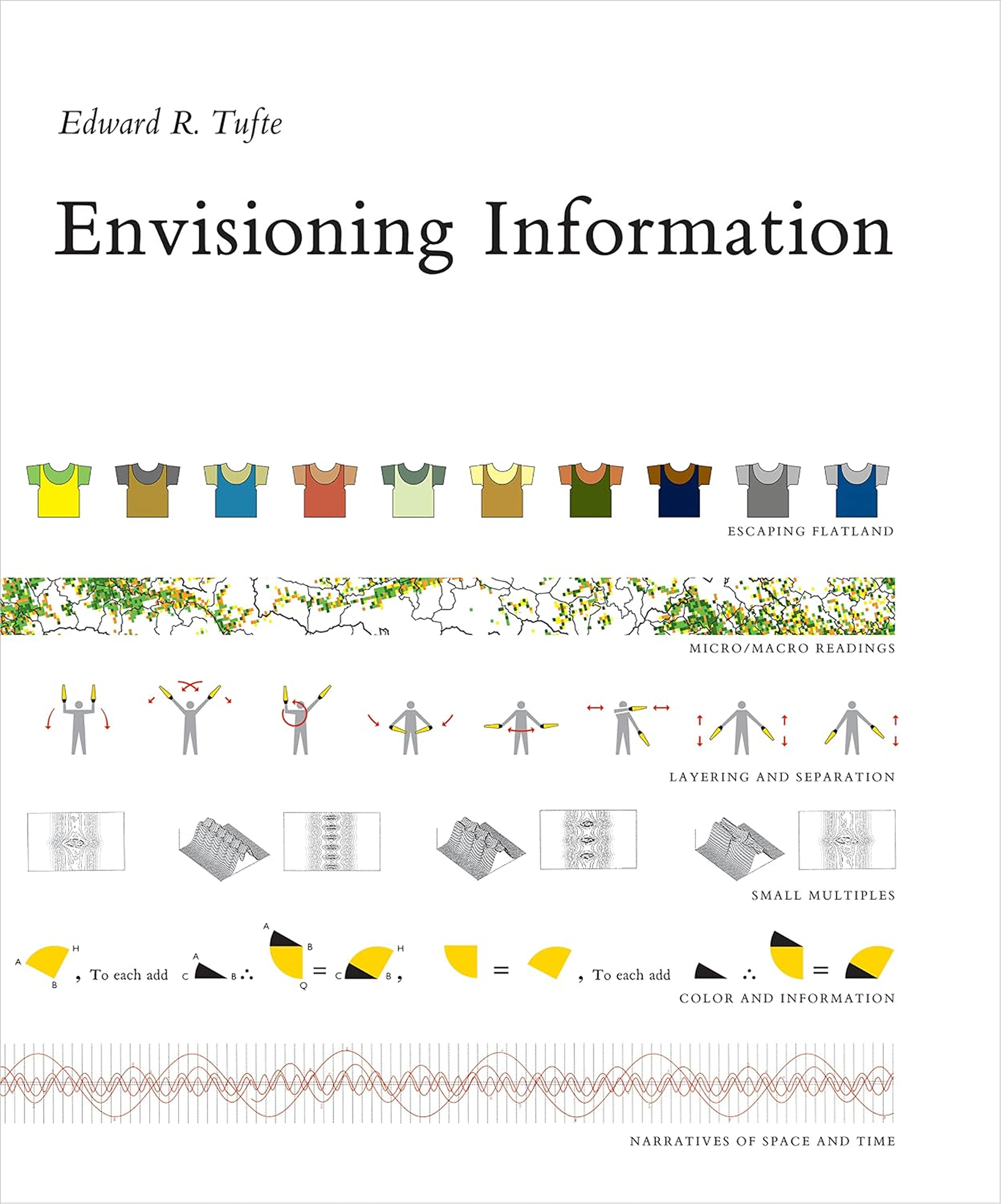
From topographical maps and artist sketches to pictographs and railroad timetables, Tufte applies the mind of a statistician to forms of visual representation, unpacking how the design of data and information is often informed by legibility but can still result in beauty. Through insights about patterns, organizational hierarchy, and what Tufte calls “cognitive art,” Envisioning Information provides inspiration for designs that translate complex concepts into readily understandable forms: Keep this as a reference on your shelf for when you’re looking for just the right chart or typeface to get you in gear.
In Praise of Shadows
by Jun’ichirō Tanizaki, Vintage Books (1933, English translation 1977)
Buy it | Borrow it

Public and private, East and West: Tanizaki’s novels often play with dichotomies, but it’s in his 1933 essay where that becomes most visible (literally). In Praise of Shadows is a meditation on light versus dark, revealing how aesthetic beauty is often defined by what goes unseen. Like his novels, it’s also about closed worlds butting up against modernity, an encouragement to readers to sit with subtlety and restraint, and to ask themselves what may be worth preserving and what is worth creating anew.
In designing tools (objects, structures, policies, expert systems, discourses, even narratives) we are creating ways of being.
Arturo Escobar
Designs for the Pluriverse: Radical Interdependence, Autonomy, and the Making of Worlds
by Arturo Escobar, Duke University Press (2018)
Buy it | Borrow it
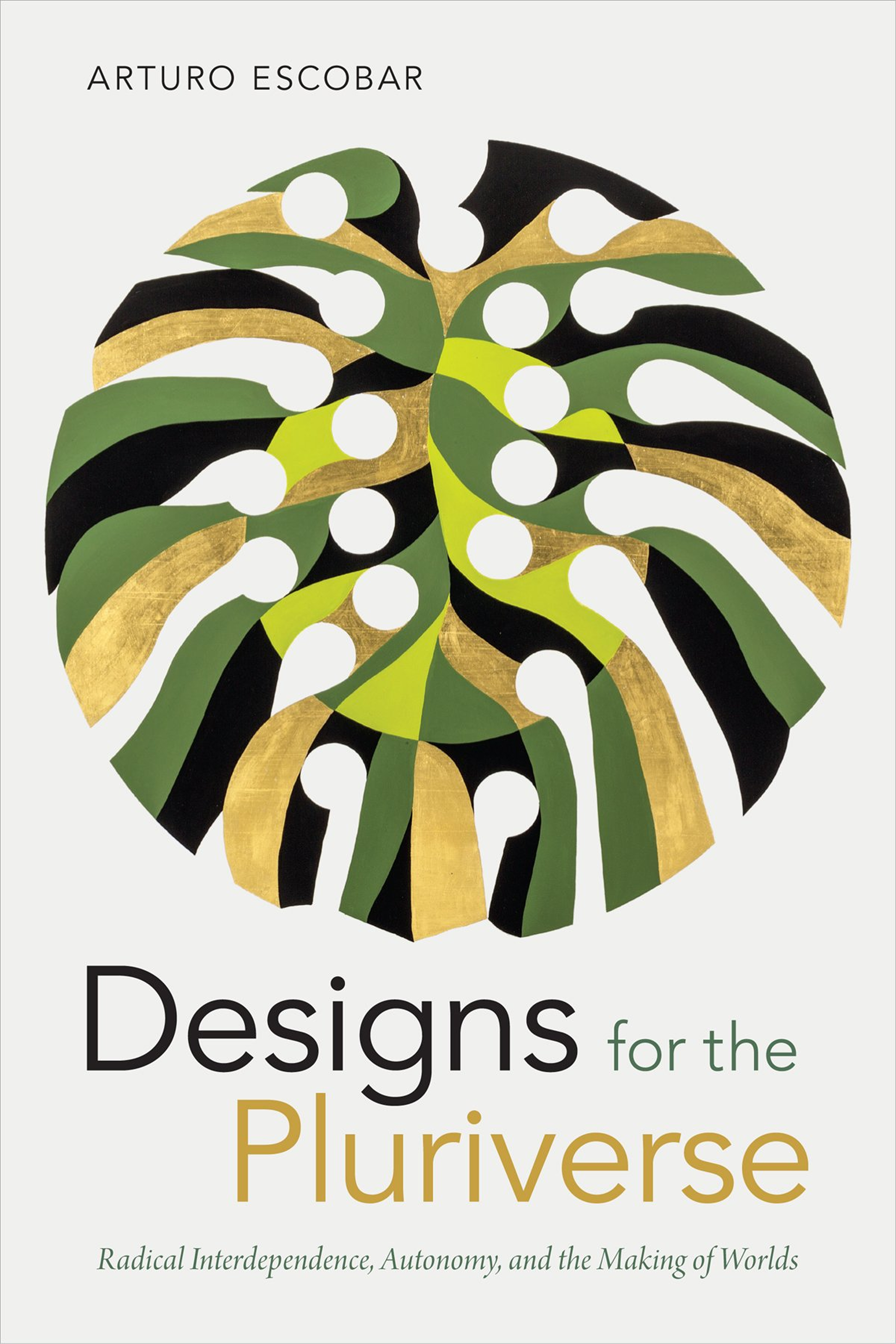
What if design could exist outside of capitalist objectives? Escobar, an anthropologist specializing in post-development theory, challenges readers with this question, applying many anthropological concerns — colonialism, climate change, social movements — to reveal the power structures inherent in existing systems. The Pluriverse is a provocation, asking those concerned with “progress” to question their assumptions about what a community (or consumer) really needs.
Words, Books, and the Spaces They Inhabit
by Mari Shaw, MIT Press (2017)
Buy it | Borrow it
The first in a series titled “The Noble Art of Collecting,” Shaw investigates how libraries shape our understanding of the world. The book invites readers to meditate on the differences between collecting and archiving; the latter an act that designs not only how information is catalogued for posterity but also interprets what is considered worthy of preservation. Anyone building something designed to last can recognize that archival impulse, and Shaw’s book shows how much what we choose to preserve speaks to our values and who we really are.
Inhabiting the Negative Space
by Jenny Odell, Sternberg Press (2021)
Buy it | Borrow it

This slim volume, originally given as a commencement address, expands upon Odell’s 2019 bestseller How to Do Nothing: Resisting the Attention Economy. If Do Nothing argued for a rupture from always-online technologies, Inhabiting fills the gap left behind, ruminating on the value of observation and attention within the standstill. This is a treatise on noticing: taking the time to observe what deserves to be built before rushing to construct it.
Ways of Seeing
by John Berger, BBC and Penguin Publishing Books (1972)
Buy it | Borrow it
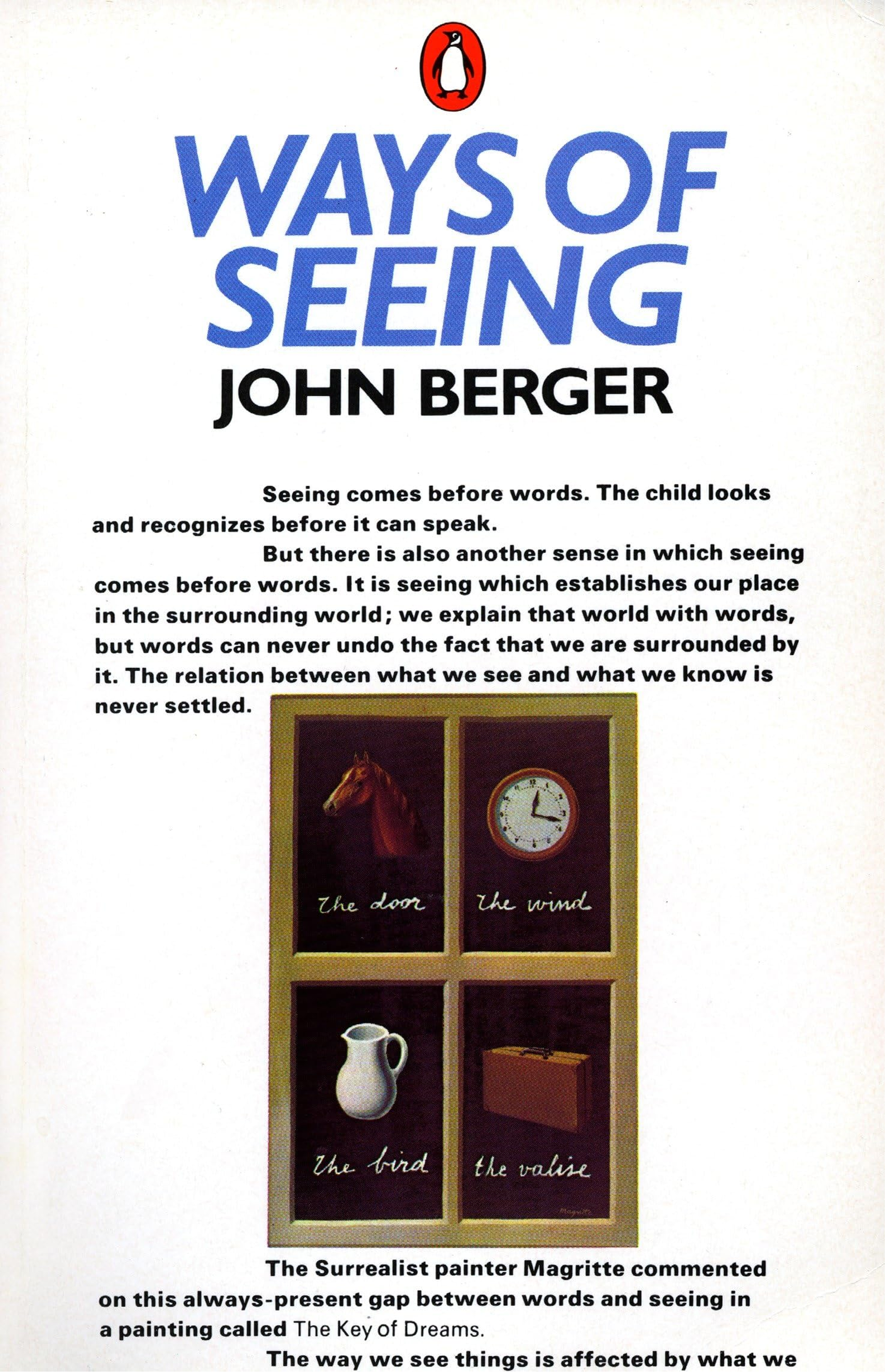
This foundational text for visual culture theorists reframes the approach to seeing: Berger argues that interpretation of images cannot be decoupled from context (which is informed by the prevailing culture) and the specificity of one’s personal experience. By revealing who often does the looking — i.e., whose perspectives have long dominated culture — it removes the sometimes static approach we apply to “meaning.” The result reminds everyone to question assumptions about how one (that is, yourself or anyone else) might perceive something in front of them.
Transformative Repair
by Guy Keulemans, Uro Publications (2026)
Buy it | Borrow it

Obsolescence or fragility can sometimes lead to innovation. This book by Keulemans, a designer, artist, and researcher, takes a close look at objects made by artists, designers, and craftspeople where repair represents another creative opportunity. The result shows just how much evolution — and a willingness to problem-solve — is often the part of the design process that pushes ideas forward.
About the author
Erin DeJesus is senior editor of Meridian. As an experienced content strategist and editorial leader, she likes to make cool stuff on the internet and beyond.
Share article
Related reads

Illustrator María Jesús Contreras on the value of authentic work

Fishwife founder Becca Millstein on brand as leverage

A new age for an anti-slop internet