A single idea can open in countless directions. Points of View is a series gathering perspectives around a concept. This edition explores “the tell” — that defining moment in a founder’s journey that signals to them their work is resonating with an audience. Sometimes those tells hit like pronounced jolts (i.e., experiencing the unforeseen rush of going viral); sometimes they’re recognized only in hindsight, after the business has grown or pivoted in unexpected ways. Either way, earning that sense of audience and market connection is often the signal that an idea has deep roots from which to grow — and sparks the possibility of a long-term future.
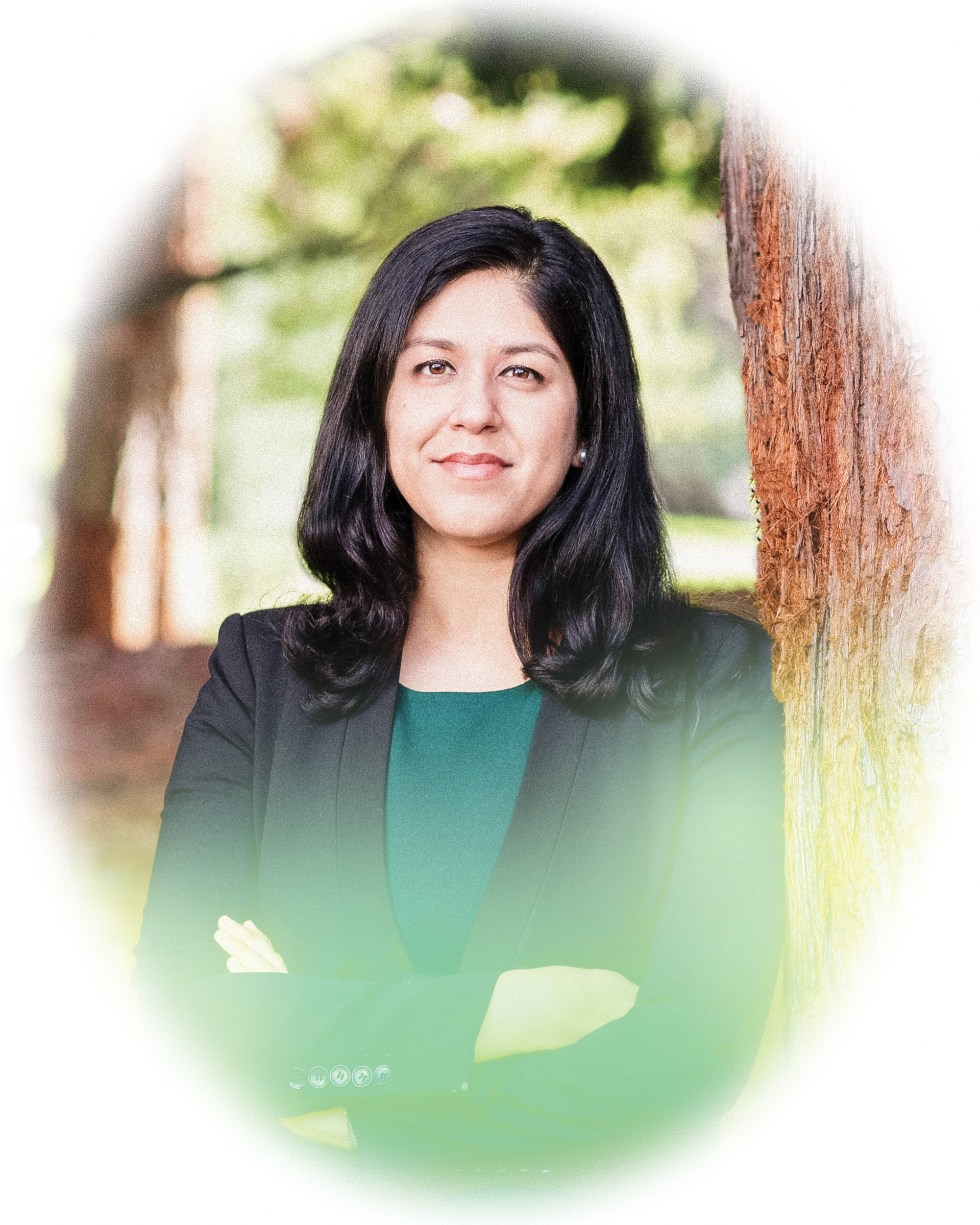
Here, we talk with Surabhi Bhandari, the co-founder and CEO of Soulside AI. Bhandari, who had previous experience as a VC specializing in health and consumer tech, was struck by the structural challenges of the health care industry, which lacks enough clinical workforce to keep up with demand — particularly for mental health care. “The mental health crisis is one of the most major crises of our generation,” she says.
The mental health crisis is one of the most major crises of our generation.
In 2022, she and co-founder Anurag Verma launched Soulside AI with the goal of creating better documentation for group therapy, spaces where up to 16 people can be speaking at once. Since then, the company has grown to build operating systems for behavioral health clinicians more broadly; it’s now a multi-platform AI product that documents everything from session notes and treatment plans to chart audits.
In this conversation, Bhandari discusses the importance of understanding the complexity of your clients’ operations, how paid adoption is the strongest signal, and why being a founder often requires letting things unfold around you.
This interview has been edited for clarity and brevity.
Tell me about the journey to finding Soulside’s product-market fit.
For us, it actually came through doing the work ourselves. Before we ever built a tech product, we were delivering care, which was the best thing that happened to this company: It helped put us in the shoes of clinicians and clinical care delivery organizations. We understood the complexities at a clinical level, operational level, even at a financial level. It helped us build a lot of empathy for the customers that we now serve, and that was really our origin.
Is there a moment that signaled to you that there was a real audience for your work?
I feel like it’s always a series of signals. As we built this technology, we realized that no one else was doing this, and some of our early conversations were just, Hey, I’ve been looking for this for a long time. This sentiment was heard over and over again, consistently in every single call. But to be honest, unless somebody’s willing to pay for something, and there’s actual dollars attached to it, that “aha moment” stays a moment: When it hits your bank account, you realize that there is a real need.
It’s a big step forward to [have someone] make an upfront commitment to buying a product which has not been around for 20 years. We did have early customers that we were charging upfront, and when [their] budget approval comes through, you know that that’s something they’re looking for. And then the final step, in my opinion, is when it’s not the founders selling: When it’s somebody else that joins the organization and is able to repeat that message and make that sale to customers, then you know it's really for real.
Have you changed anything about the way you’ve thought about your business based on those early signals?
Absolutely. Our understanding initially was the product enabled visibility into that group therapy process, and supported the quality of clinical care. What we [came to understand] also in this process is that it’s not just time saving that we’re enabling, but also the quality of the actual documentation being created, which has so many downstream impacts. The scope of impact that a tool generates is only understood when it’s actually put in its real setting and over time. And so the product has actually expanded tenfold because we’ve been able to identify, discover, and build depth.
Thinking back to the year you founded, are there any signals that you maybe wish you had seen then but weren’t quite able to identify at that point?
You can’t shortcut the process of discovery as a founder. Insights that I have now, discovered in the latter part of the process, wouldn’t have made sense to me in the former part of the process, and it’s almost like an unfolding. As a founder, you go deeper and build increasing empathy for your customer as you spend more time with them and as you see the product being utilized. Maybe I would have had some signals before [it was the right] time, and I just wouldn’t have captured them, they wouldn’t have been relevant… or they may even have taken me in the wrong direction. I almost feel like there is a magic to this process where the right unfolding does come at the right time.