A single idea can open in countless directions. Points of View is a series gathering perspectives around a concept. This edition explores “the tell” — that defining moment in a founder’s journey that signals to them their work is resonating with an audience. Sometimes those tells hit like pronounced jolts (i.e., experiencing the unforeseen rush of going viral); sometimes they’re recognized only in hindsight, after the business has grown or pivoted in unexpected ways. Either way, earning that sense of audience and market connection is often the signal that an idea has deep roots from which to grow — and sparks the possibility of a long-term future.
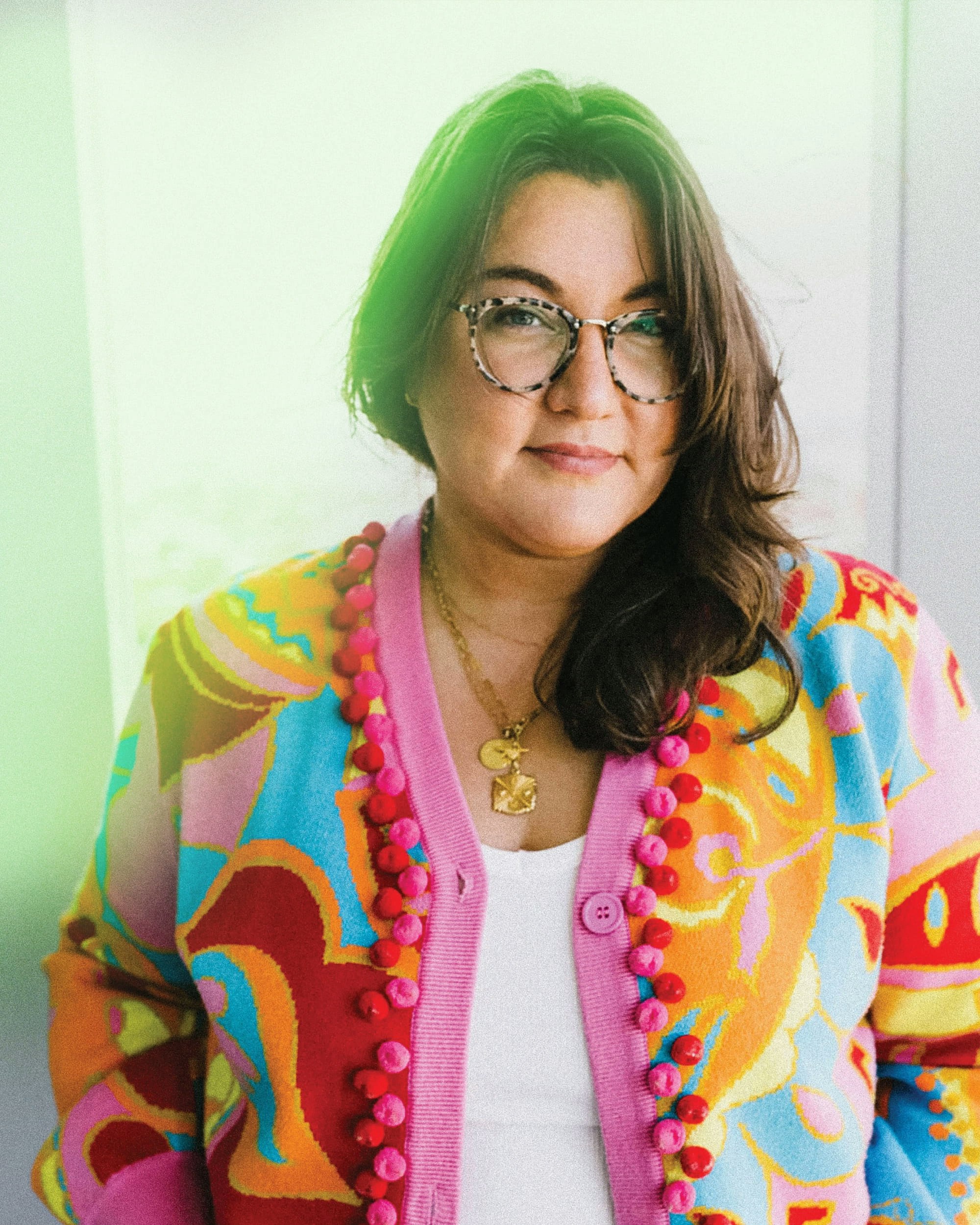
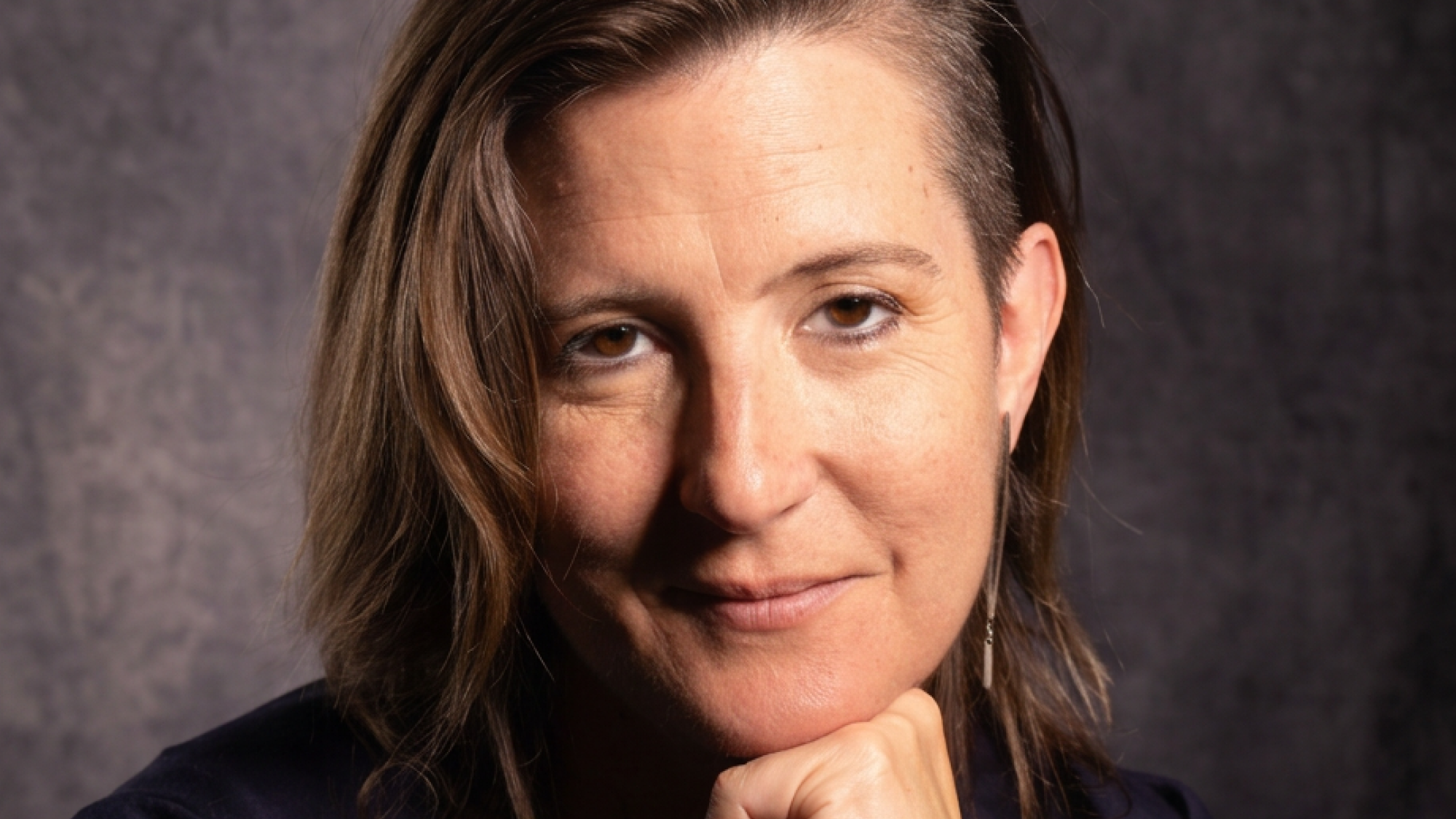
In this installment, we spoke with Caroline Moss, the founder of Gee Thanks, Just Bought It! Moss, a former editor at Business Insider, started Gee Thanks as a podcast for product recommendations in 2019 and launched on an auspicious day for shoppers: Black Friday. It’s since bloomed into a popular Substack and 34,000+ person Facebook community that’s always eager to share their discoveries and obsessions with each other. “When I was pivoting away from podcast episodes [in 2023],” Moss says, “I was like, ‘How can I be in this influencer space but [have it] not be about me?’”
That community, however, is fueled by Moss’s own high standards, and the authenticity that comes across when she talks about her personal favorites and preferences. Here, Moss discusses how to build community organically, how measuring success is a constant series of self check-ins, and the real signs of success.
This interview has been edited for clarity and brevity.
What was the first product you highlighted that really got people talking?
I had a guest who talked about this drain plug that allowed her baths to fill higher, and she spent a half hour singing the praises of this drain plug. It was so funny, but people really responded.
Was there a moment when you realized there was a bigger audience for Gee Thanks?
It’s not just one tell. It is a constant state of checking in with myself and [asking]: Is what I’m doing interesting? Is this working? Is this giving people what they need? Am I promoting overconsumption? I sort of figured this out very early on, [the tell is] that the Facebook group pretty much can operate without me. I think people use the term “community” really lightly now, but I consider my Facebook group to be the bread and butter of what I set out to do.
[Initially,] I worried about having to go on Facebook and prompt people to respond. When I realized it was working, I was getting so many messages saying “I hate Facebook, I only come on to be a part of your group.” That really started happening around four years ago. If I can make people re-download Facebook again, then I’ve really created something that has a lot of value for people.
Attention spans are short and the internet is vast.
Was this “telling moment” surprising to you?
You can’t force participation: It’s cringy. Attention spans are short and the internet is vast, and to know that people log onto Facebook because they bought something really fun, and their first thought is, “I really want to tell these 30,000 people about it” — that’s what I really set out to build. It’s such a good vibe, and I think I would hate my job if I had to cajole people to interact.
What hasn’t changed about your practice or approach since that breakthrough moment, in terms of how you make recommendations?
It’s a messy science. First, do I want to text my friends about this? If so, I’ll talk about my experience with it. And that’s when it becomes either just endorsed by me, or my DMs are blowing up with tons of people who are really excited to talk about why they love it too. It wouldn’t be good business to tell everyone that everything is worth it. People would catch on to that really quickly.
When I love something, and I say it’s my favorite, it usually stays my favorite for years. I’ve been recommending the same mascara since 2021. Sometimes I’ll get a message from someone who has been tainted by creator culture, and they’re like, “God, you always talk about the same products.” And I’m like, “Listen, do you want me to have a new favorite mascara every week?” That would be weird.