A single idea can open in countless directions. Points of View is a series gathering perspectives around a concept, with each participant choosing their own journey through questions, answers, and the imagination and marvels in between.
This edition explores standards — where they come from, how they hold up, and what it means to set, inherit, or push back against them. What follows is a closer look at how standards move from abstract ideals to lived decisions.
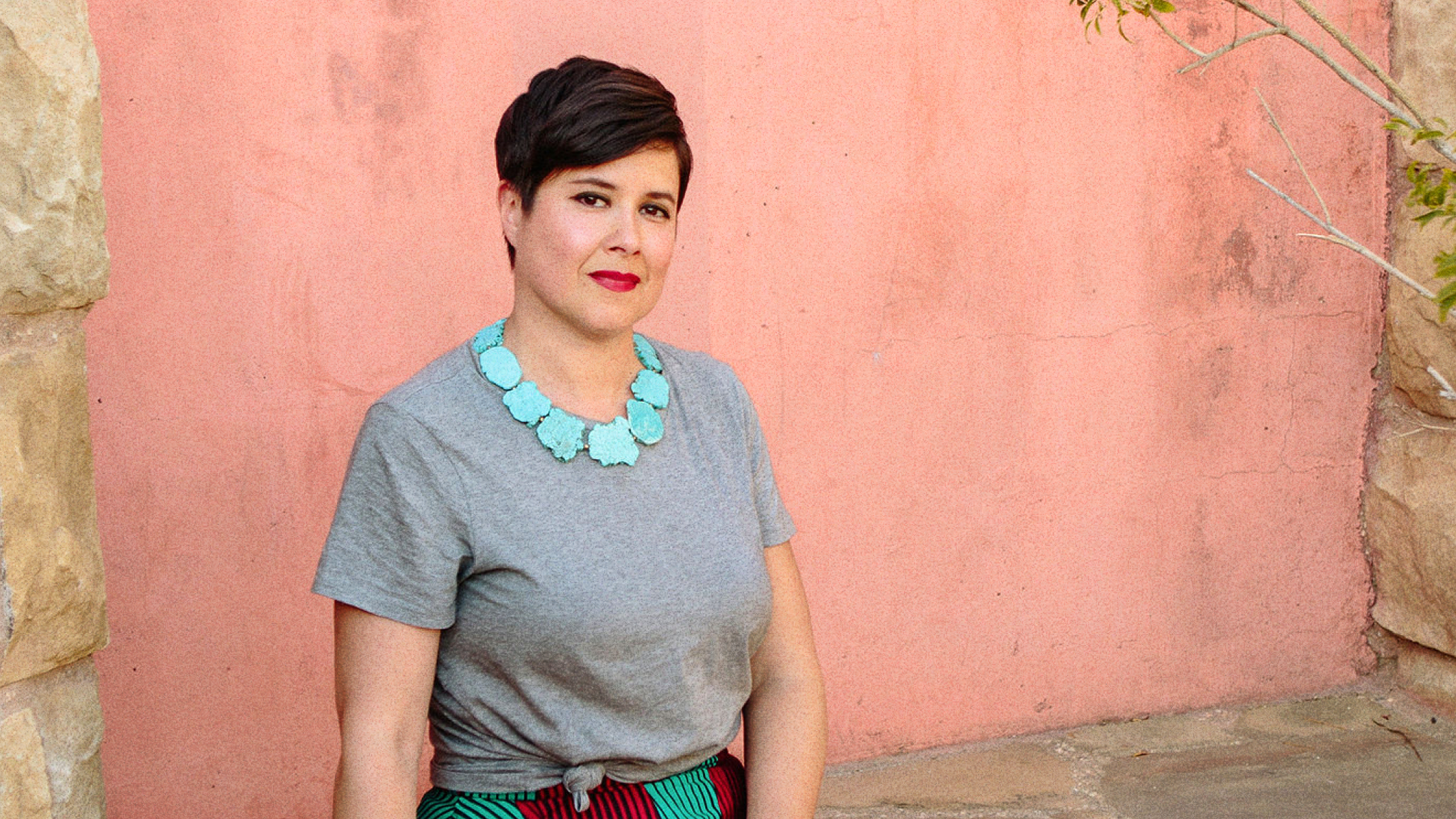
Here, we spoke to investor Jenny Fielding, who, as co-founder and general partner at Everywhere Ventures, brings an operator’s perspective to the earliest stage of building. In those first innings, there’s no traction to point to or track record to lean on: potential success largely comes down to the quality of someone’s thinking. To Fielding, standards become the main signal.
In this conversation, she shares what she’s learned to look for in the founders and companies she backs, and what she’s discovered about her own standards in the process.
What’s a standard you refuse to compromise on?
Founder-first honesty. I won’t tell a founder their idea is great when I don’t believe it, and I won’t soften a hard truth to preserve the relationship. I’ve been a founder, and I know what it costs when someone who should have said something didn’t. The whole point of being an early-stage investor is that you show up before there’s consensus. That only means something if you’re actually telling people what you see.
What’s the first thing that tells you someone is meeting your standard?
They tell me something I didn’t want to hear. The founders I trust most lead with the problem, not the pitch. If someone walks in and gives me a 20-minute highlight reel before mentioning the thing that keeps them up at night, that’s a flag. The ones who open with “here’s what’s broken and here’s how I'm thinking about it” — those are my people.
What do you protect when you can’t protect everything?
The founder’s judgment. I can’t protect every decision, every hire, every pivot. But if I’ve done my job, the person at the center of the company still trusts their own instincts. The worst thing that can happen at the early stage isn’t a bad quarter, it’s a founder who’s been second-guessed into paralysis.
The worst thing that can happen at the early stage isn’t a bad quarter, it’s a founder who’s been second-guessed into paralysis.
What does your field often confuse for quality that isn’t?
Pedigree. Venture has a serious habit of taking shortcuts and relying on surface-level accolades — Stanford, YC, Google, whatever the credential is. I’ve backed founders from Lagos and Bogotá and Tallinn who out-executed people with every box checked. The “Everywhere Mindset” I wrote about in my book (Venture Everywhere) isn’t just a travel metaphor — it’s a genuine rejection of the idea that quality is always concentrated in the same three zip codes.
What’s the hardest lesson your judgment has taught you?
That conviction and correctness aren’t the same thing. I’ve passed on companies I was certain about and I’ve invested in founders I would have bet anything on. The judgment that matters isn’t the one you apply at entry — it’s the one you apply when the story starts to change and you have to decide what you actually believe versus what you want to be true.
How do you know when it’s time to raise your standard?
When passing starts to feel like relief. If I’m turning down a deal and my honest reaction is “thank goodness,” that means my bar has gotten too comfortable. I’ve invested in 300+ companies. The risk at this point isn’t that I’m too selective — it’s that I start pattern-matching to what’s worked in the past instead of staying curious about what I haven’t seen yet.
What’s the responsibility that comes with your standard being the one that other people are building toward?
To stay a founder at heart. The second I start thinking like a portfolio manager instead of someone who’s felt the weight of making payroll, my standard becomes theoretical.