A single idea can open in countless directions. Points of View is a series gathering perspectives around a concept, with each participant choosing their own journey through questions, answers, and the imagination and marvels in between.
This edition explores leverage — including what it looks like to harness it vs. building your own — and how leverage takes shape across systems, relationships, and ideas to create effects that compound over time.
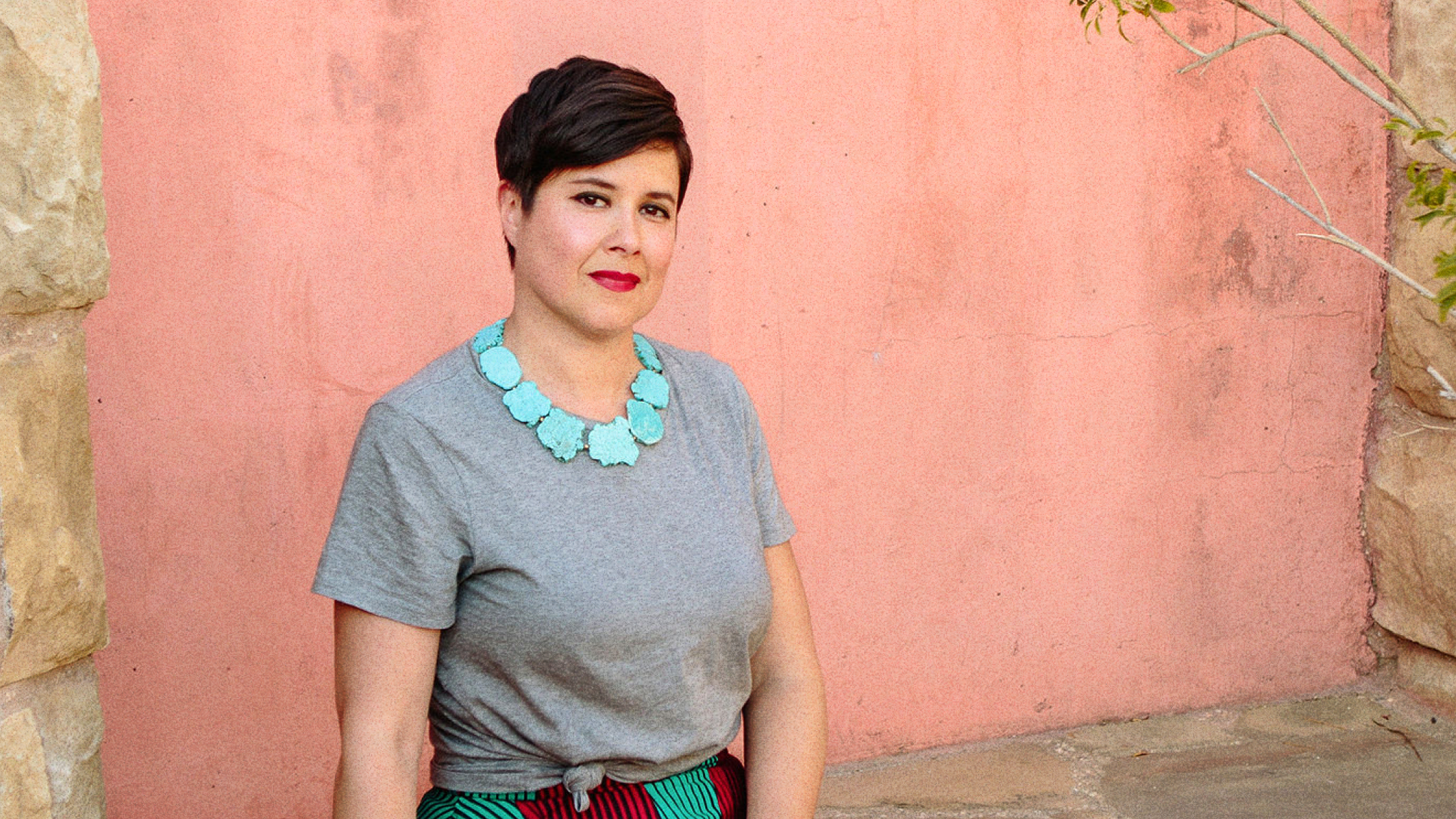
Here, we talk to Becca Millstein, co-founder and CEO of Fishwife. Millstein was working in music marketing when the 2020 COVID pandemic lockdown turned tinned fish into a staple in her LA apartment. She’d fallen in love with conservas (tinned fish) culture while living in Spain during college, and realized that American grocery aisles had limited options: either pricey imports or dated brands with murky sourcing. So she and co-founder Caroline Goldfarb (who departed the company in 2021) set out to build a brand offering premium, responsibly sourced seafood to American consumers, backed by new supply chains built to do right by the fisheries, farms, and canneries behind each tin. Six years later, Fishwife offers 16 seafood products in more than 5,000 grocery locations, from Costco to the local shoppy shop, and its savvy brand collabs often sell out in moments.
In this conversation, Millstein reflects on how building a brand people love can create leverage beyond what’s achievable by a good product alone. She also explains why a high quality bar can become a competitive advantage, and how a growing company can use its influence to protect the people, supply chains, and natural resources behind its work.
What gives a brand lasting, compounding leverage, and not just a temporary advantage?
A good product sits on a shelf, but a beloved brand builds an ecosystem people want to be part of. Tinned fish has always been an inherently incredible product. It’s clean, nutrient dense, shelf stable, and sustainable. But in the U.S., it was trapped in a box as a “depression-era commodity food.” Coming from a background in music marketing, I realized the missing piece wasn’t the food itself; it was world-building. I think our recent collaborations with musician Audrey Hobert and Dieux are prime examples of this.
Fishwife really transformed tinned fish into a cultural movement: from rebuilding the visual world [in a way] that has become so beloved (which we did with the help of our in-house designer, Danny Miller, who’s been a collaborator since day zero) to reclaiming a historically gendered insult for outspoken women to leaning into accessible culinary storytelling. That brand power is what allowed us to command premium positioning, earn organic word-of-mouth virality, and reintroduce a $4 billion category to a completely new generation of consumers.
What does it take to build and leverage a supply chain that gets stronger as the company grows?
It takes painful early lessons, extreme diversification, and unyielding standards. About six months after we launched, we outgrew our very first North American cannery and ended up completely out of stock for two full months. It was a crash course in supply chain vulnerability. To build a resilient network that scales, we expanded from one supplier to partner with six specialized canneries across Washington state, Spain, Denmark, and Scotland. Rather than forcing a single massive co-packer to lower our costs, we built redundancy across several artisanal canneries that specialize in specific species or seafood categories — like smoked fish, sardines, or Cantabrian anchovies.
We use our influence to preserve human craft.
How does trust become leverage?
Responsible sourcing in seafood is notoriously complex. But a higher sourcing standard becomes a massive competitive advantage when you enter a sleepy category that has spent decades racing to the bottom on price.
We immediately set Fishwife apart from the legacy brands by refusing to compromise — we source only from Aquaculture Stewardship Council– and Marine Stewardship Council–certified fisheries, fishermen using sustainable fishing methods, and world-class aquaculture farms. We don’t hide our sourcing details in dense supply-chain reports; we print them plainly right on the box and on our website. Consumers know immediately that our salmon comes directly from [sustainable salmon farm] Kvarøy Arctic or that our sardines are hand-packed in Galicia, Spain. And by pairing those seals with our aesthetic and approachable storytelling, we remove the friction of trust. In a market where consumers actively scrutinize traceability, high standards are the primary differentiator.
What responsibility comes with having an edge that others don’t?
As a food company grows, its order volume becomes a vote for the kind of food system it wants to see exist. We use our purchasing power to directly support forward-thinking aquaculture partners, responsibly managed fisheries, and fishery improvement projects that are working toward full sustainability certification. Beyond the ocean, we use our influence to preserve human craft. By working directly with artisanal canneries, we help sustain hand-packing traditions that might otherwise be swallowed up by industrial processing. Growing our business directly increases the economic stability of the working waterfronts, small-scale fishers, and craft cannery workers who make our product possible.